
Wellbeing
Stress & Muscle Tension
6 min read
Stress is rarely confined to the mind. It settles into the shoulders, neck, jaw, lower back, and the way we breathe.

Stress has a way of making itself known in the body long before it is fully acknowledged in the mind. A tight jaw during a difficult phone call, shoulders creeping toward the ears during a demanding meeting, a clenched lower back after a stressful week — these are all familiar, physical expressions of something that began as a mental or emotional experience.
This connection between stress and muscle tension is well recognized, and understanding it can open the door to more effective ways of supporting both the mind and body. Rather than treating tension as purely muscular, it can be helpful to consider the nervous system's role in creating and, ultimately, releasing that tension.
Why It Happens
The nervous system is closely linked to muscle activity throughout the body. When stress activates a heightened state of alertness, muscles can respond with a pattern sometimes described as guarding — tightening as though preparing for a physical challenge, even when the stress is entirely mental or emotional in nature.
In short bursts, this response is a normal part of how the body reacts to demanding situations. However, when stress becomes chronic — persisting over days, weeks, or longer — the muscles may have little opportunity to fully release, and tension can accumulate in areas like the shoulders, neck, jaw, and lower back.

Everyday Habits That Contribute
- Chronic or ongoing emotional stress without adequate outlets for release
- Shallow, chest-centered breathing during stressful periods
- Poor or insufficient sleep, which limits the nervous system's ability to reset
- Unconscious habits such as jaw clenching or shoulder tensing
- Long periods of sitting or stillness combined with mental strain
- Limited time set aside for intentional rest or relaxation
These contributors often overlap and reinforce one another, which is part of why stress-related tension can feel so persistent once it takes hold.
What Your Body Is Telling You
Physical tension linked to stress can be understood as a signal that the nervous system has been in a heightened state for some time, without sufficient opportunity to shift into a calmer, more restorative mode. Tightness in the shoulders, neck, jaw, or lower back is often one of the clearest ways the body communicates this imbalance.
Paying attention to where tension consistently gathers — and during which situations it tends to intensify — can offer useful insight into personal stress patterns and where recovery efforts might be most helpful.
Practical Daily Recovery Habits
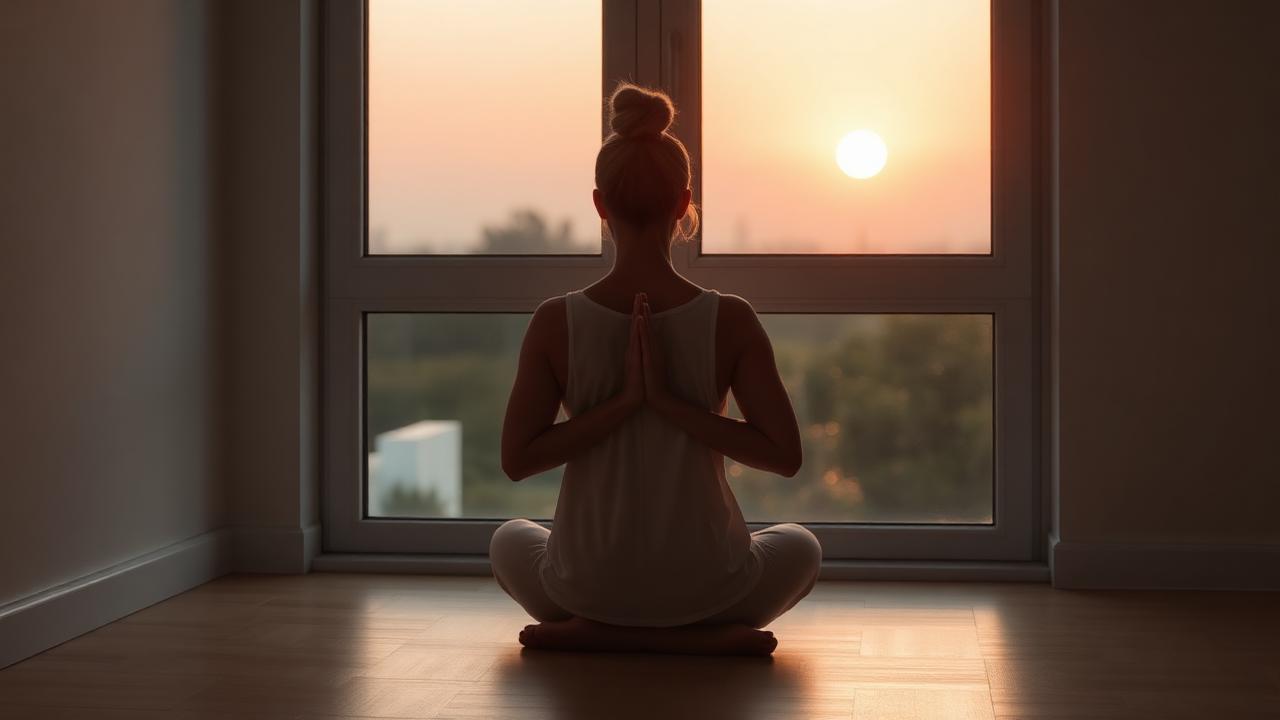
- Practicing mindfulness or brief meditation to support nervous system regulation
- Taking regular walks, which can help discharge built-up physical tension
- Incorporating gentle stretching, particularly for the neck, shoulders, and lower back
- Establishing a calming evening ritual to signal the transition from activity to rest
- Prioritizing consistent, quality sleep as a foundation for recovery
- Applying gentle warmth to tense areas as part of a relaxation routine
- Practicing slow, diaphragmatic breathing during moments of acute stress
How Spine Care Supports Everyday Wellness
The spine and its surrounding muscles are deeply connected to the nervous system, and postural habits can either support or hinder the body's ability to relax. A spine held in chronic tension — through poor posture, shallow breathing, or unrelieved stress — may struggle to fully participate in the body's natural recovery processes.
Approaching spine care as part of a broader stress management routine, alongside mindfulness, movement, and rest, often supports a more complete sense of relaxation than addressing any single element on its own.
The body remembers what the mind has not yet processed, holding it quietly in the shoulders, the jaw, and the breath.
Frequently Asked Questions
Why does stress cause physical muscle tension?
When the nervous system perceives stress, it can activate a protective response sometimes described as muscle guarding, where muscles tighten in preparation for perceived challenge or threat. In modern life, this response is often triggered by mental or emotional stress rather than physical danger, yet the muscles respond in much the same way, tightening around the shoulders, neck, jaw, and lower back.
Why do I clench my jaw or shoulders without noticing?
Many people carry stress in specific areas without realizing it, often because these responses become automatic over time. The jaw and shoulders are particularly common sites for this kind of unconscious tension, especially during concentration, difficult conversations, or periods of prolonged stress.
Can poor sleep make muscle tension worse?
Yes. Sleep is an important time for the nervous system to shift out of a heightened state, and poor or insufficient sleep can leave the body in a more activated state for longer. This may contribute to muscles remaining tense even during moments that would otherwise allow for rest and recovery.
How does breathing relate to muscle tension?
Shallow breathing is both a symptom and a contributor to physical tension. Stress often causes breathing to become shorter and more centered in the chest, which can increase tension in the shoulders and upper back. Slower, deeper breathing is frequently recommended as a way to help calm this response.
What is nervous system regulation, and how can I support it?
Nervous system regulation refers to helping the body shift between states of alertness and calm as needed, rather than remaining in a heightened state for extended periods. Practices such as mindfulness, gentle movement, consistent sleep habits, and calming evening rituals are commonly mentioned as ways to support this balance over time.
Key Takeaways
- Stress activates the nervous system in ways that can cause muscles to tighten, a pattern sometimes called muscle guarding.
- Chronic and emotional stress are closely linked to persistent tension in the shoulders, neck, jaw, and lower back.
- Shallow breathing and poor sleep can both contribute to and be worsened by ongoing muscle tension.
- Mindfulness, walking, and stretching are commonly supportive daily habits for nervous system regulation.
- Warmth and calming evening rituals are frequently mentioned as helpful for winding down.
- Restorative habits, practiced consistently, tend to support more lasting relief than occasional relaxation alone.
A Closing Thought
Muscle tension linked to stress is a reminder that the mind and body are deeply intertwined, and that caring for one often means caring for the other. Building small, consistent habits — mindful breathing, gentle movement, restorative sleep, and calming evening rituals — can support the nervous system's natural ability to recover. Many people find that dedicated relaxation time, including thermal and massage experiences such as those offered by CERAGEM's spinal wellness devices, fits naturally into this kind of evening routine.