Wellness & Lifestyle
The Quiet Cost of Sitting All Day
Long hours at a desk rarely announce themselves. They accumulate — in the hips, the shoulders, the lower back.

Nobody finishes a day at a desk feeling like they have exerted themselves. That is exactly what makes prolonged sitting so easy to underestimate. The effects arrive slowly, distributed across months, and they rarely announce themselves until something feels tight, heavy or stubborn.

A posture held long enough becomes a habit
Sitting is not the problem. Sitting still, in the same shape, for hours at a time is what the body struggles with. Hips stay folded, the chest closes slightly, the head drifts forward toward a screen, and the muscles along the back are asked to hold a fixed position far longer than they were designed to.
Repeat that pattern five days a week and the body adapts to it. Not because anything has gone wrong, but because the body is efficient: it becomes comfortable in the shapes you give it most often.
The commute counts too
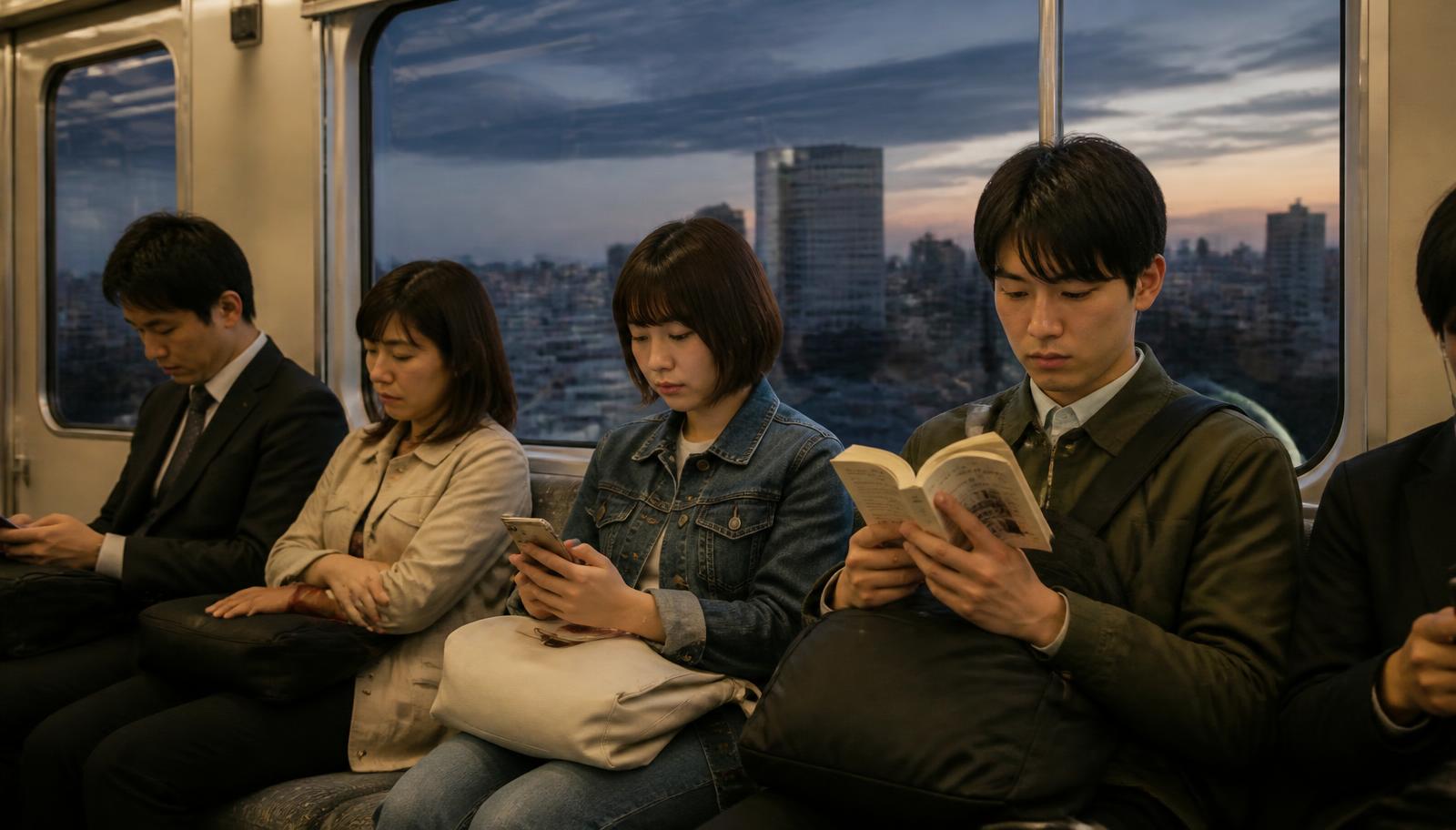
In Metro Manila, the working day rarely ends when the laptop closes. An hour or more in traffic is another hour seated, often in a seat that offers less support than the office chair. By the time most people get home, the total time spent in a folded position can approach twelve hours.
It is not the sitting. It is the stillness.

Simple interruptions that make a difference
- Stand and walk for two minutes every hour — a timer helps more than willpower
- Raise the screen so the head is not tilting downward all day
- Let the feet rest flat on the floor rather than tucked under the chair
- Take calls standing or walking where possible
- Open the front of the hips and chest with a slow stretch in the evening
Movement beats perfect posture
There is a temptation to search for the one correct sitting position. A more useful goal is variety. Changing position often — leaning back, sitting upright, standing, walking — distributes load rather than concentrating it in one place.
Giving the day a proper close
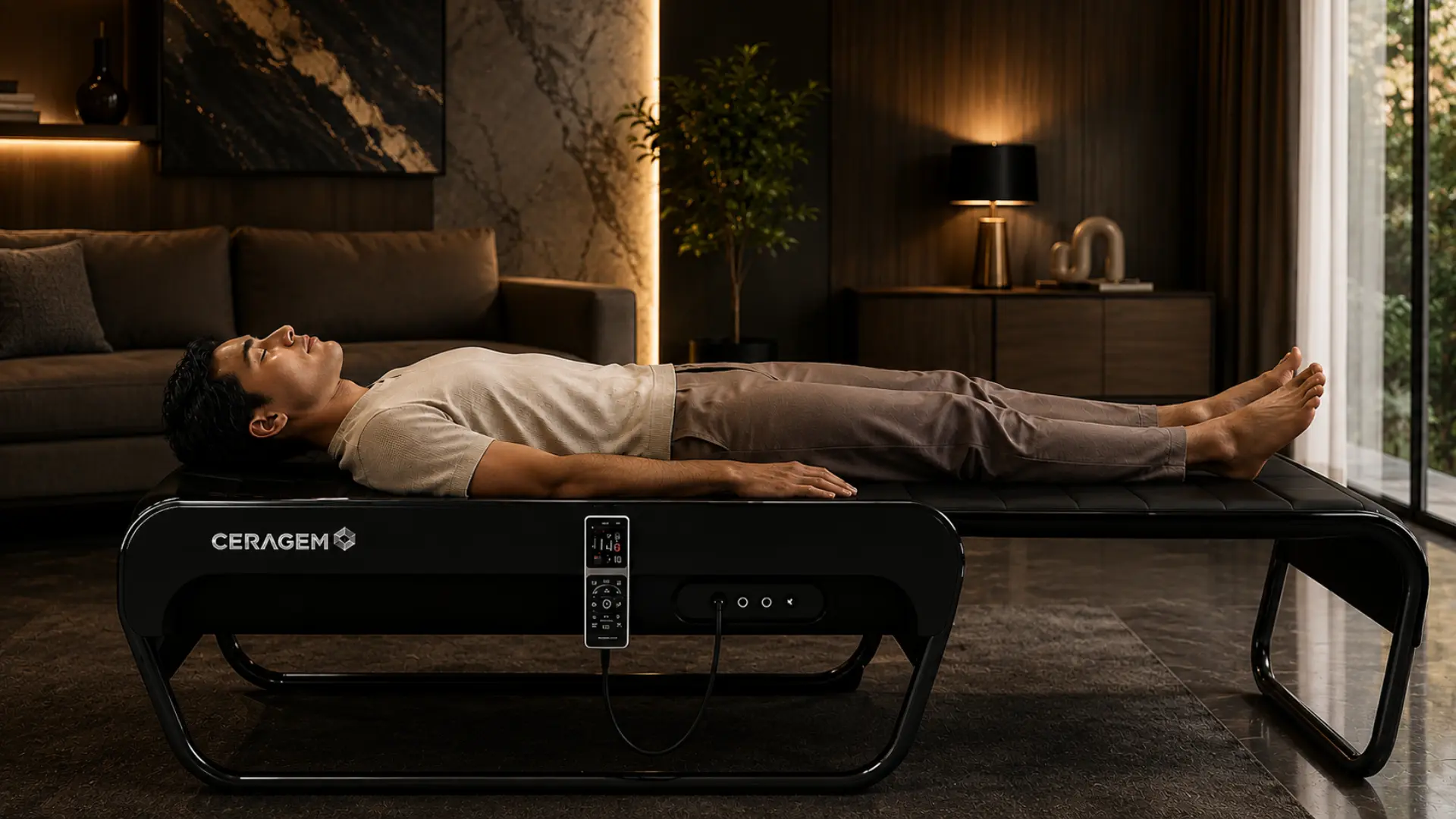
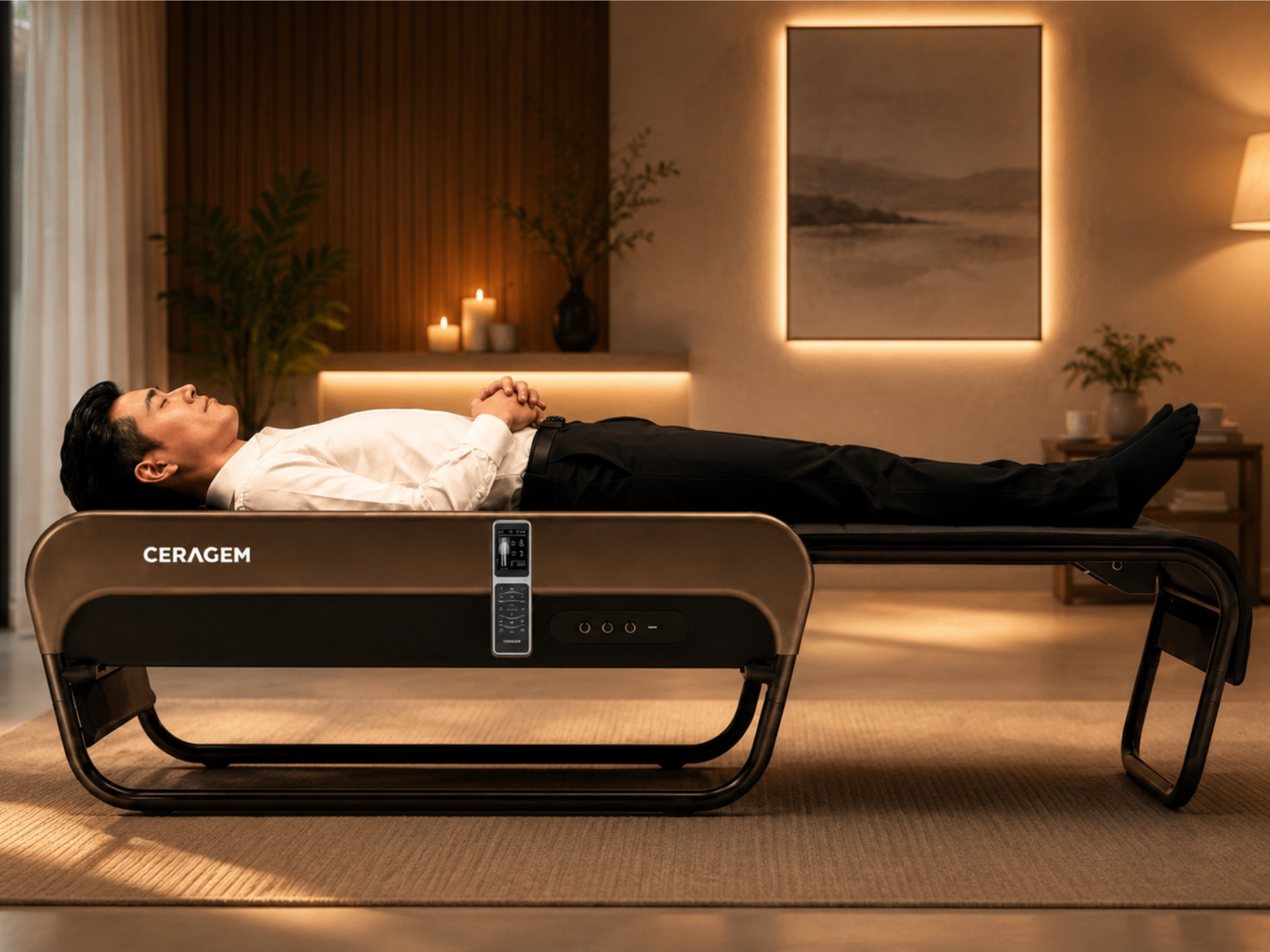
An evening routine that includes gentle movement, warmth and a genuine pause helps the body transition out of a demanding day. Many guests describe their session at CERAGEM Shaw as exactly that: a scheduled full stop, a comfortable environment designed for relaxation after hours of sitting.
The aim is not to undo an entire workday in forty minutes. It is to make sure the day does not end in the same posture it began.