Spine Wellness
What Is Spine Wellness, Really?
Spine wellness is less about fixing something and more about caring for the structure that carries your entire day.

Most people only think about their spine when it finally asks for attention — a stiff morning, an ache after a long drive, a shoulder that will not settle. Spine wellness is the quieter habit of caring for that structure long before it becomes the loudest part of your day.
The structure behind every ordinary movement
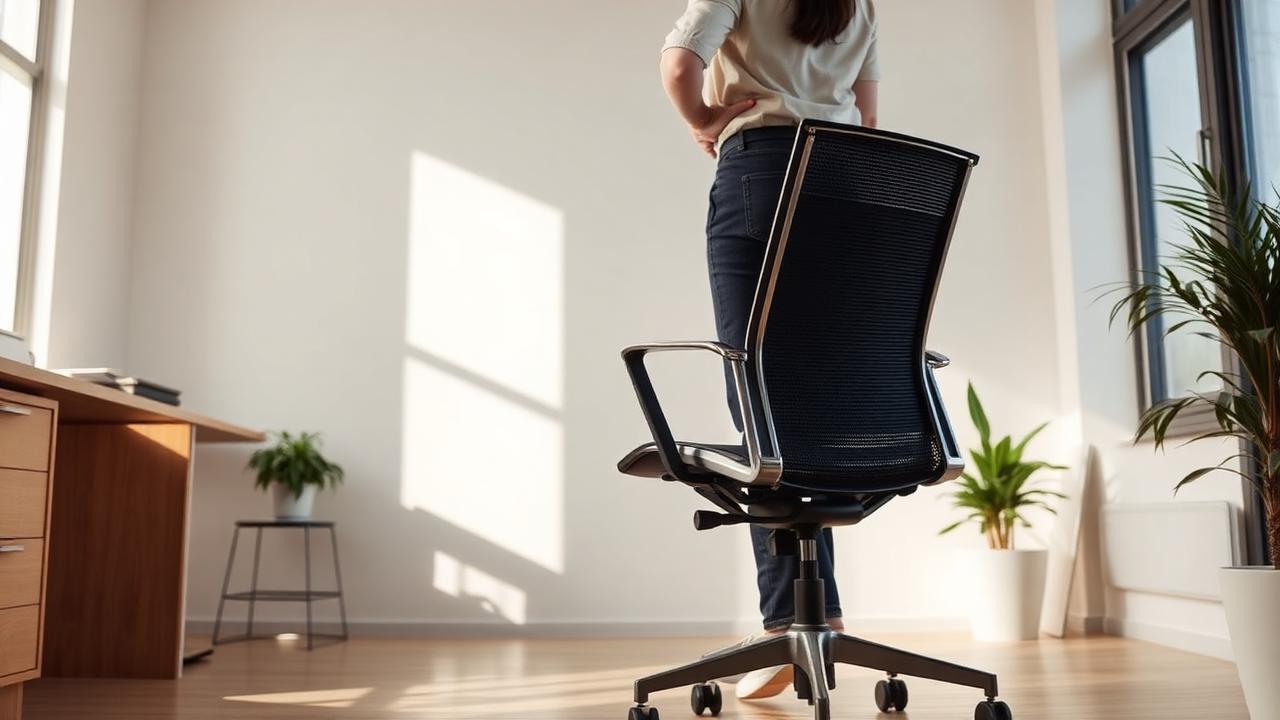
Standing up from a chair, reaching for a bag in an overhead cabinet, turning to check a blind spot in traffic — none of these feel like athletic events, and yet each one asks the spine to stabilise, rotate and absorb load. The spine is involved in almost every movement you make, which is precisely why it is so easy to take for granted.
It is also the part of the body most affected by how we spend our time. Long hours seated, screens held slightly too low, bags carried on one shoulder, sleep that never quite feels like enough — these are ordinary things, repeated thousands of times a year.
What spine wellness actually means
Spine wellness is not a treatment plan and it is not a diagnosis. It is an approach to daily living that gives the back, neck and hips a fair chance to recover from the demands placed on them. In practice, it usually looks like a handful of unglamorous habits repeated consistently.
- Interrupting long periods of sitting with brief, regular movement
- Building gentle mobility into the start or end of the day
- Paying attention to how you sit, stand and carry weight
- Allowing time for relaxation, warmth and rest
- Treating recovery as part of the routine, not a reward for exhaustion
Caring for your spine is rarely dramatic. It is mostly consistent.

Why recovery deserves a place in the schedule
Modern schedules are generous with effort and stingy with recovery. Work, commuting, family, errands — the calendar fills easily, and the time set aside to let the body settle is usually the first thing surrendered. Building in a deliberate pause is one of the simplest ways to make wellness sustainable rather than aspirational.
That pause can be a short walk, a stretching sequence before bed, a warm shower taken slowly rather than rushed, or a dedicated wellness session designed to support relaxation. What matters is that it exists and that it repeats.
Warmth, comfort and the nervous system
There is a reason a warm compress on tired shoulders feels so good. Comfortable warmth is one of the oldest and most familiar cues for the body to relax, and it remains central to Korean wellness culture — from traditional heated ondol floors to the thermal wellness experiences designed today.

Starting small
If the idea of a wellness routine feels like one more obligation, start with a single change: stand up every hour, or spend five minutes each evening moving slowly and breathing deliberately. Spine wellness compounds. The smallest consistent habit will outperform the ambitious plan you abandon in a fortnight.
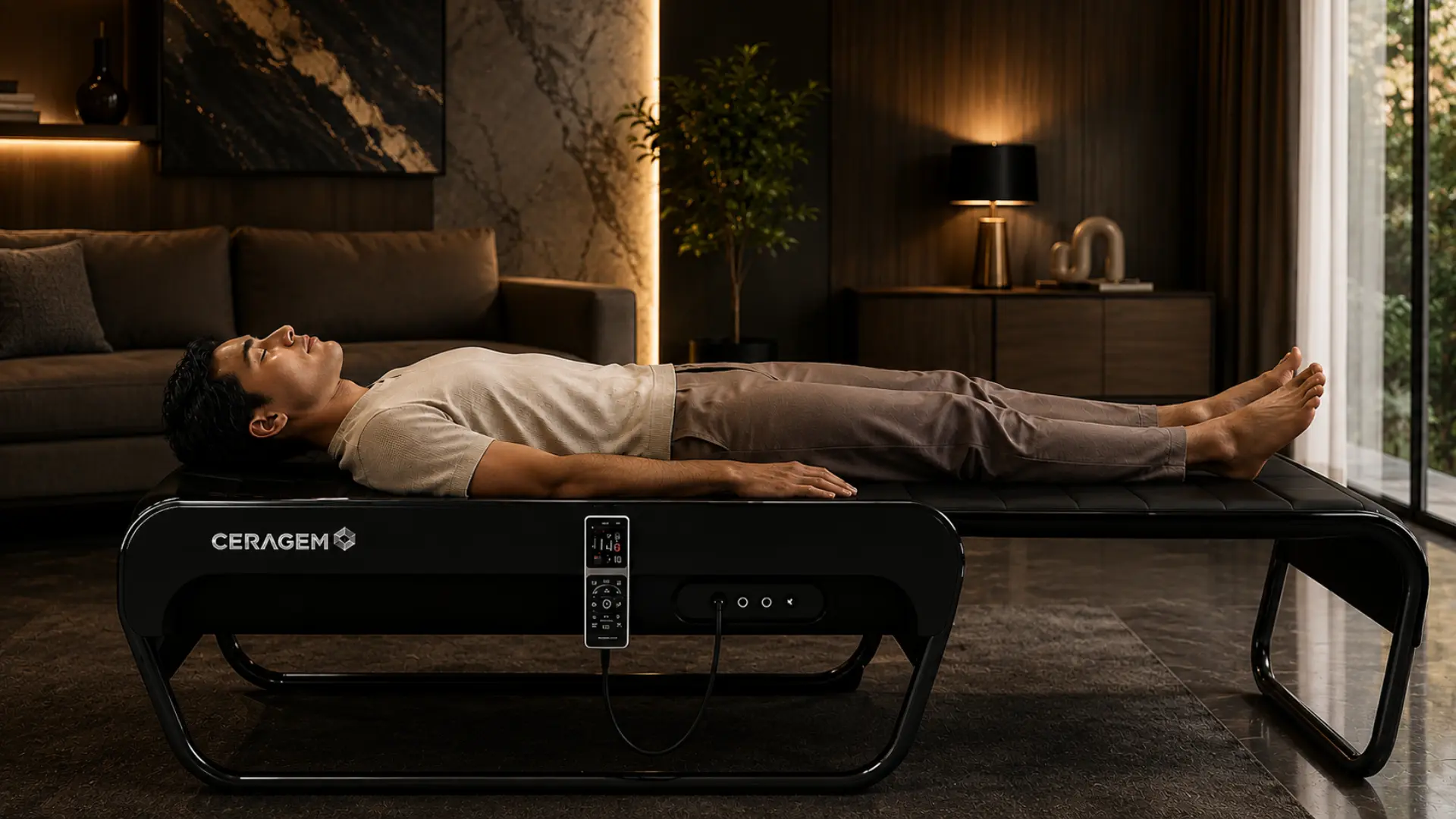
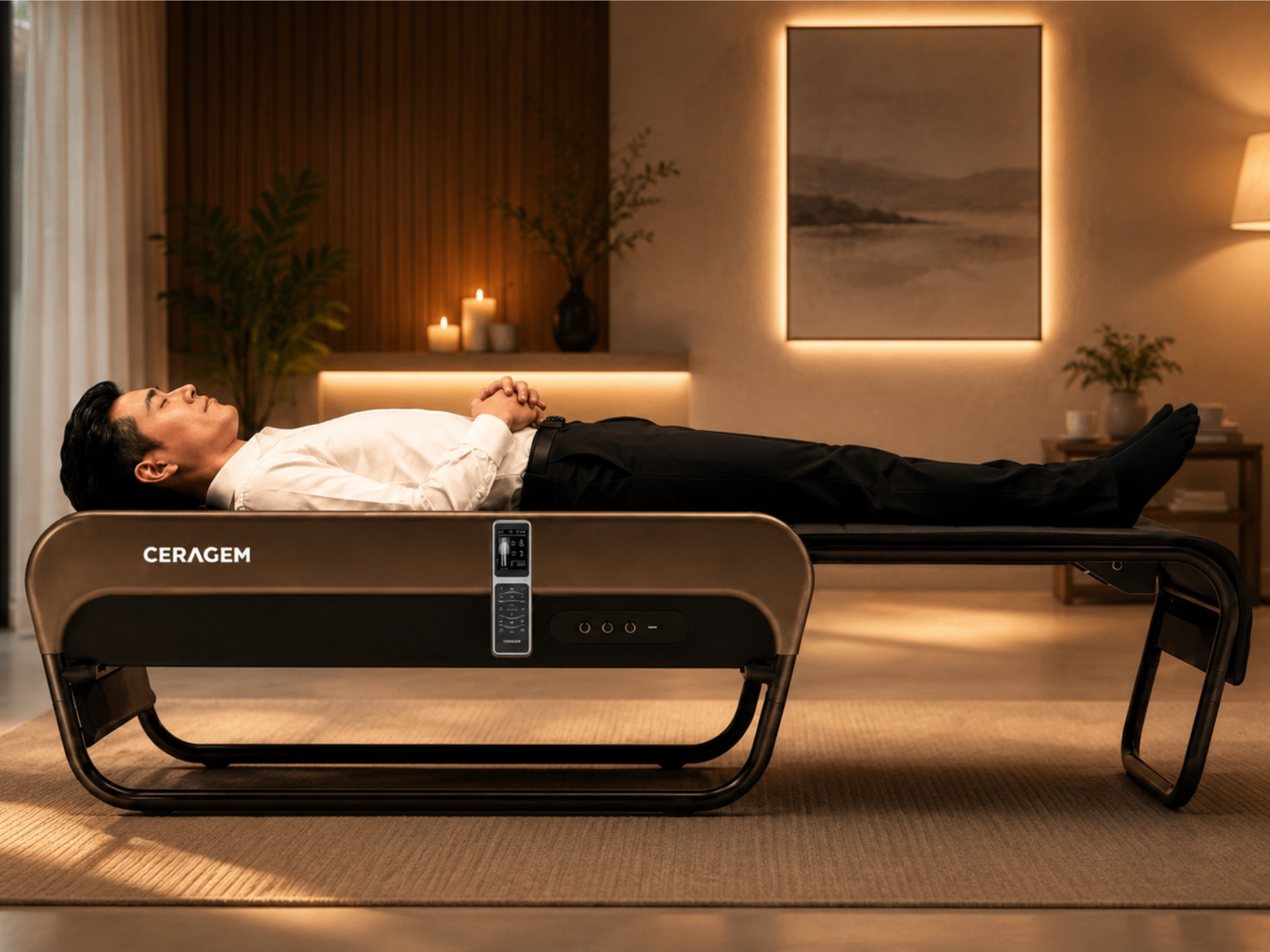
At CERAGEM Shaw, sessions are designed around this same idea — a structured, comfortable wellness experience that supports relaxation and makes recovery something you can return to regularly.