
Concerns
Sciatica
5 min read
Understanding the nerve pathway, the daily habits that irritate it, and the calm that soothes it.
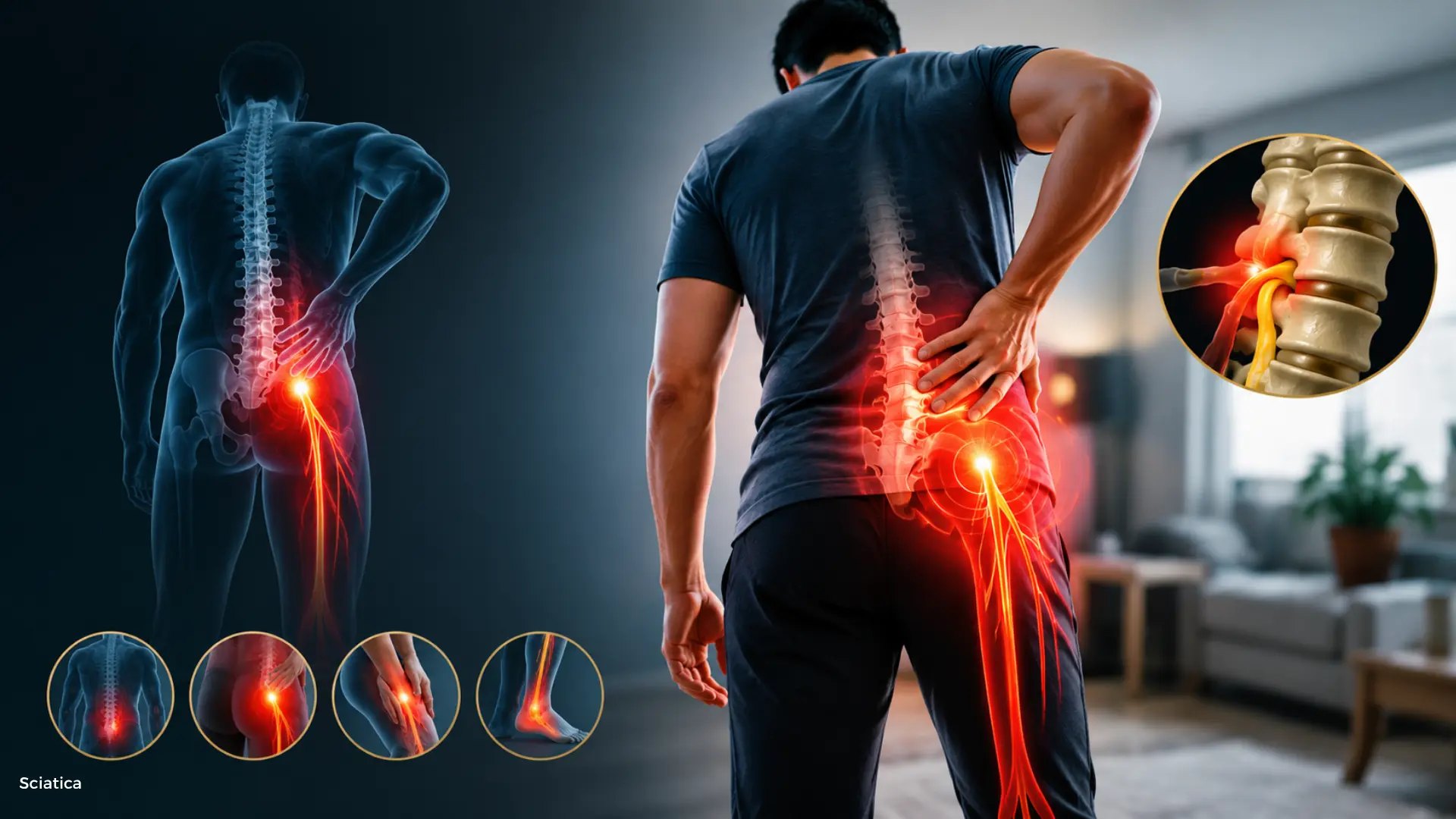
Few sensations are as distracting as a dull ache or shooting feeling that seems to travel down one leg, seemingly without warning. This pattern, commonly referred to as sciatica, is one of the more familiar terms in everyday conversations about back discomfort, yet the sciatic nerve itself is often misunderstood.
Running from the lower spine through the buttock and down the length of the leg, the sciatic nerve is a long and sensitive structure. When something along its path becomes irritated or compressed, the effects can be felt at a distance from the original source, which is part of what makes the experience feel so unpredictable.
The goal of this article is not to diagnose a specific condition, but to offer a calm, informed look at what the sciatic nerve is, the everyday habits that may contribute to irritation, and the gentle practices many people find supportive as part of a broader wellness routine.
Why It Happens
The sciatic nerve emerges from several nerve roots in the lower spine before merging into a single pathway. Because of this structure, irritation can originate in more than one place along the route, and the resulting sensations can vary from a mild tingling to a more pronounced discomfort that follows the length of the leg.
Everyday lifestyle factors are frequently associated with this kind of irritation. Prolonged sitting, especially in postures that round the lower back, can increase pressure in the lumbar region. The piriformis, a small muscle deep in the buttock that sits close to the sciatic nerve, can also become tense from inactivity or repetitive movement patterns, adding to a feeling of tightness or irritation along the pathway.

Everyday Habits That Contribute
Many of the habits associated with sciatic discomfort are woven into ordinary daily life rather than being the result of any single dramatic event. Recognizing these patterns is often the first step toward gentle, sustainable change.
- Long stretches of sitting without breaks, particularly at a desk or during travel
- Slouched or rounded posture that places extra load on the lower back
- Tightness in the piriformis muscle from limited movement
- Reduced overall activity throughout the day
- Carrying weight unevenly, such as a heavy bag on one shoulder
- Sleeping positions that place strain on the lower spine overnight
None of these habits are unusual, which is exactly why sciatic irritation is such a widely shared experience among people with otherwise very different lifestyles.
What Your Body Is Telling You
Sensations along the sciatic pathway are often described as the body's way of signaling that a nerve root or surrounding tissue is under more pressure than it would prefer. This may show up as tightness in the lower back, a dull ache in the buttock, or a traveling sensation down the back or side of the leg.
These signals can be a helpful prompt to reassess daily habits — whether that means adjusting a desk setup, taking more frequent movement breaks, or paying closer attention to posture throughout the day. Listening to these cues early, rather than pushing through them, is often part of a thoughtful approach to long-term comfort.

Practical Daily Recovery Habits
Many people find that small, consistent adjustments make a meaningful difference over time. These habits are not a substitute for professional guidance, but they are frequently mentioned as supportive parts of a daily routine.
- Taking short walking breaks every 30 to 45 minutes during long periods of sitting
- Practicing gentle stretches for the lower back, hips, and hamstrings
- Paying attention to posture while sitting, standing, and lifting
- Choosing a sleep position that keeps the spine in a more neutral alignment
- Returning to normal activity gradually rather than resuming intense exercise all at once
- Building general mobility work into the week, even on lower-energy days
How Spine Care Supports Everyday Wellness
A healthy spine is central to nearly every movement the body makes, and the lower back in particular bears significant load throughout the day. Caring for the spine through mindful posture, regular movement, and supportive rest is less about addressing a single moment of discomfort and more about building habits that serve the body over years, not just days.
Many wellness routines now include time dedicated specifically to spinal care, recognizing that the spine's health influences comfort, mobility, and even quality of sleep. Approaching sciatic discomfort with this broader lens — rather than searching for a single quick fix — often leads to more sustainable outcomes.
When to Seek Prompt Medical Guidance
While many everyday habits can influence sciatic comfort, some signs warrant prompt attention from a qualified healthcare professional rather than at-home adjustment alone. These include:
- Severe pain that is persistent or steadily worsening rather than fluctuating
- Noticeable weakness in the leg or foot
- Loss of bladder or bowel control
- Numbness in the saddle area (the region that would touch a saddle while seated)
These signs should always be evaluated promptly by a medical professional, as they may indicate something requiring more immediate care than general lifestyle adjustments alone can address.
The sciatic nerve does not ask for much — only that we notice it, move often, and give it room to rest.
Frequently Asked Questions
What exactly is the sciatic nerve?
The sciatic nerve is the longest and widest nerve in the body, formed from several nerve roots that exit the lower spine. It travels through the buttock and down the back of each leg, which is why irritation along its path can be felt far from where it begins. Because it supplies sensation and movement signals to a large portion of the lower body, even mild irritation can create a wide range of noticeable sensations.
Is sciatica the same as a slipped disc?
Not necessarily. Sciatica describes a pattern of nerve-related sensations along the sciatic pathway, and it can arise from several different everyday and structural contributors. It is best understood as a description of symptoms rather than a single diagnosis, and identifying the underlying cause is something a qualified professional is best positioned to help with.
Can sitting for long periods really contribute to sciatic irritation?
Prolonged sitting can increase pressure on the lower spine and surrounding soft tissue, and it may also tighten the piriformis muscle, which sits close to the sciatic nerve. Many people notice that discomfort builds gradually after hours at a desk or behind the wheel, which is why regular movement breaks are often recommended as part of a daily routine.
Is walking helpful when the sciatic nerve feels irritated?
Gentle, low-impact walking is frequently mentioned as a supportive habit because it encourages circulation and discourages prolonged stiffness without placing excessive strain on the lower back. Many people find that short, comfortable walks feel better than complete inactivity, though the right amount of movement can vary from person to person.
How does sleep position relate to sciatic comfort?
The position the body rests in for hours each night can influence spinal alignment and pressure on the lower back. Some people find that sleeping on their side with a pillow between the knees, or on their back with support beneath the knees, feels more comfortable, though preferences vary and small adjustments are often worth exploring.
Key Takeaways
- The sciatic nerve runs from the lower spine through the buttock and down the leg, so irritation can be felt far from its source.
- Prolonged sitting, tight posture, and reduced movement are common everyday contributors to sciatic discomfort.
- Gentle walking, stretching, and mobility work are frequently supportive daily habits.
- Sleep position and posture throughout the day can influence lower back comfort overnight and beyond.
- A gradual return to movement is generally favored over resuming intense activity all at once.
- Severe, persistent, or worsening symptoms — especially weakness, loss of bladder or bowel control, or saddle-area numbness — call for prompt medical attention.
A Closing Thought
Sciatic discomfort is common, but it is rarely something to accept as an unavoidable part of daily life. Many people find that small, consistent changes to posture, movement, and rest make a real difference over time. As part of a broader wellness routine, some also explore gentle thermal and massage experiences, such as those offered through CERAGEM's spinal wellness devices, as a complement to their daily habits — always alongside, not instead of, guidance from a healthcare professional when symptoms persist.