
Concerns
Lower Back Pain
6 min read
The most common human complaint, and the lifestyle patterns that most often precede it.
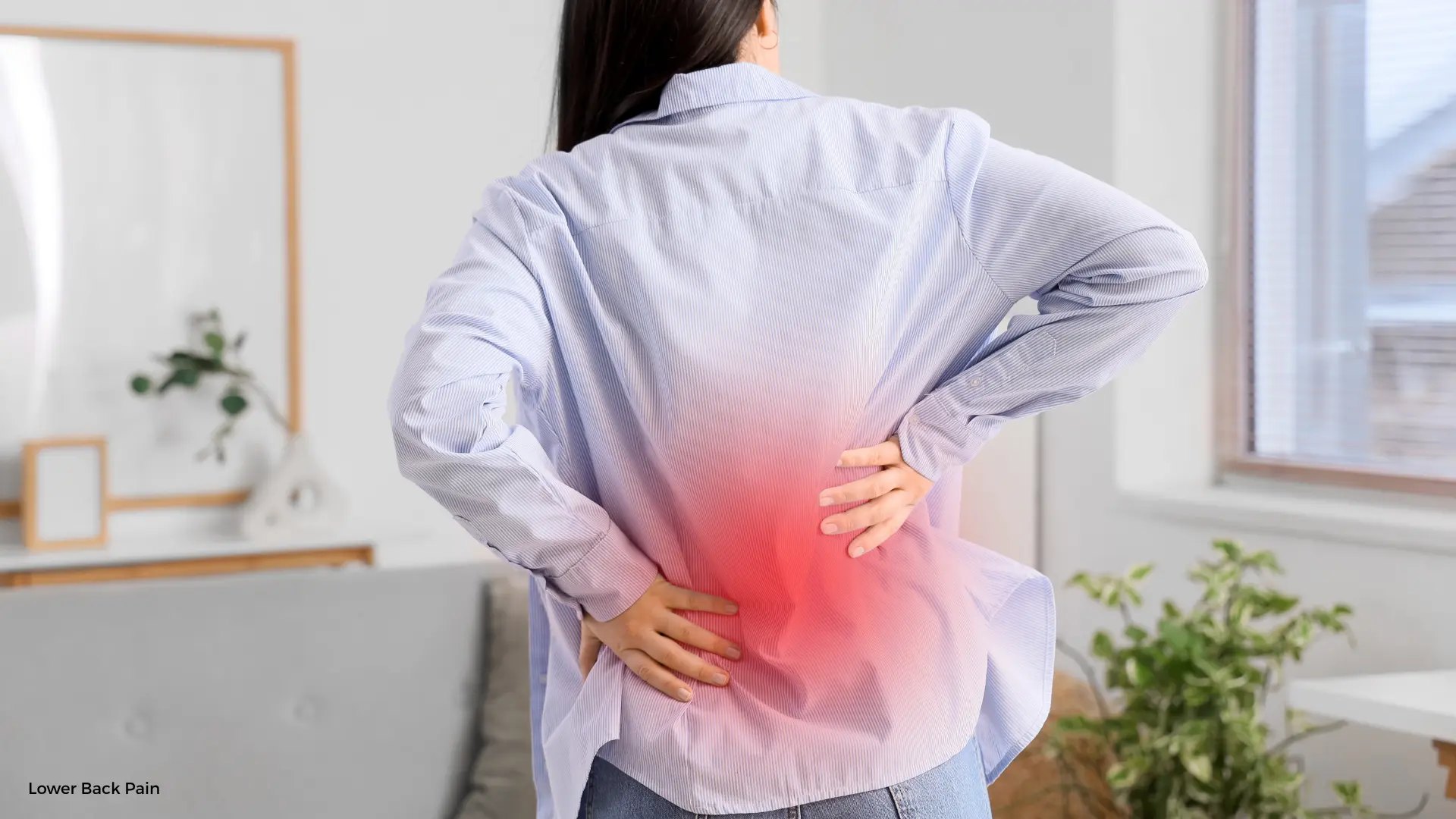
Lower back pain is estimated to affect the vast majority of adults at some point in their lives, making it one of the most universal physical complaints across cultures and age groups. Despite its prevalence, it remains widely misunderstood, often attributed to a single dramatic cause when, in reality, it usually develops gradually from a combination of everyday habits.
Understanding these lifestyle contributors can help shift the focus from reacting to pain after it appears, toward building daily patterns that support a more resilient lower back over time.
Why It Happens
The lower back, or lumbar spine, bears significant load from everyday activities—sitting, standing, twisting, and lifting all place demand on this region. When the muscles that support it, particularly the core and hips, are weak or imbalanced, more strain is transferred directly to the spine and surrounding tissue.
Inactivity compounds the issue. A sedentary lifestyle allows supporting muscles to weaken over time, while prolonged sitting can also stiffen the hips and lower spine, creating a combination that leaves the lower back more vulnerable to discomfort during even minor exertion.

Everyday Habits That Contribute
- Prolonged sitting, especially with poor lumbar support
- Lifting heavy objects with improper mechanics
- Limited core and hip strength
- Tight hip flexors from extended sitting
- Chronic stress and resulting muscle tension
- Inconsistent sleep positioning that strains the lower spine
- Sudden increases in physical activity without gradual buildup
Most of these factors are modifiable, which is part of why lifestyle adjustments are often the first recommended approach for everyday lower back discomfort.
What Your Body Is Telling You
Mild, intermittent tightness or soreness after prolonged sitting or unfamiliar activity is common and often resolves with movement and rest. It can be the body's way of signaling that supporting muscles need more conditioning, or that daily posture habits deserve attention.
That said, not all back discomfort should be treated the same way, and it is important to recognize when symptoms fall outside the range of typical, lifestyle-related tension.
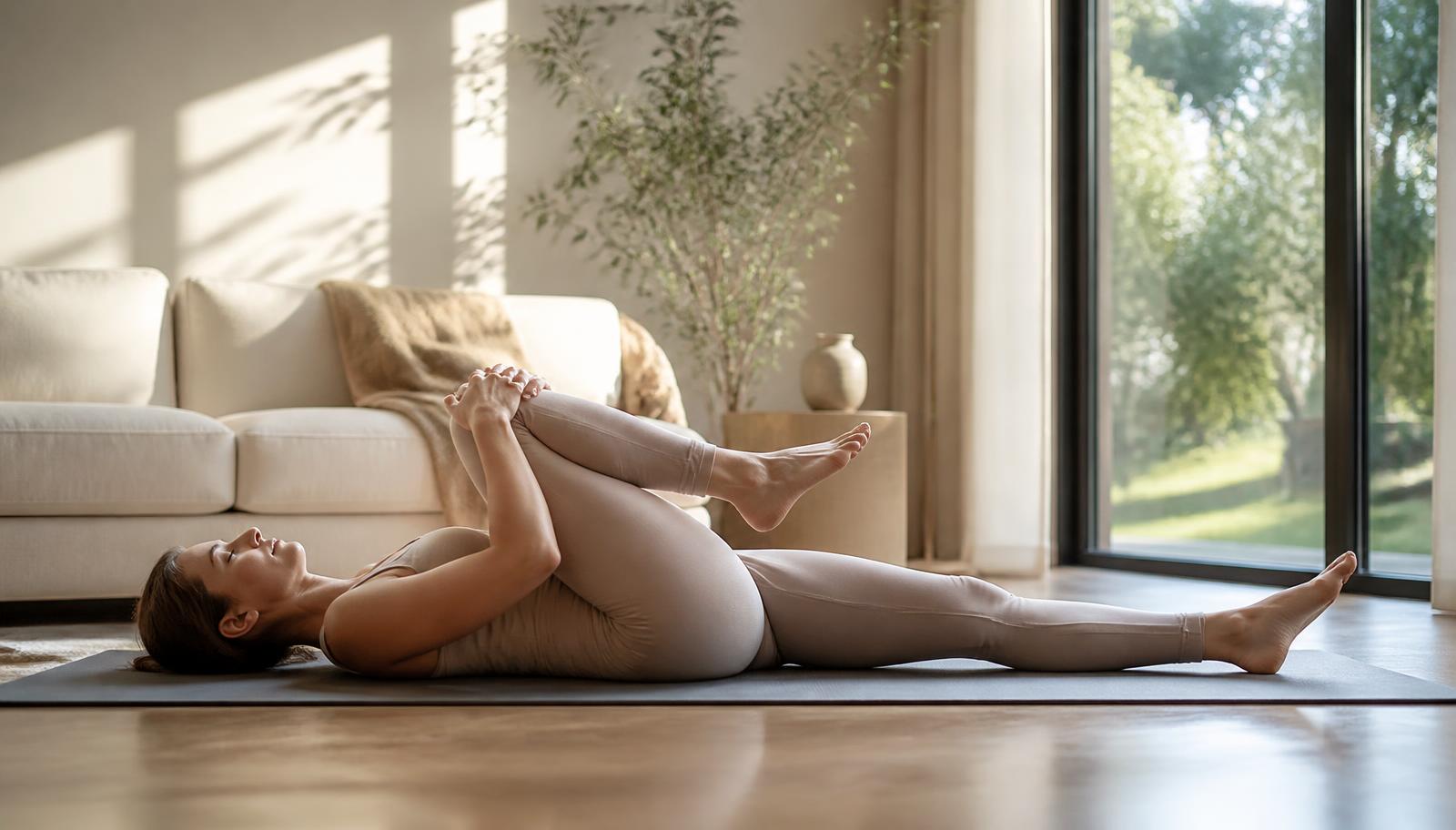
Practical Daily Recovery Habits
- Take short walking breaks every 30 to 45 minutes during sedentary periods
- Incorporate core-strengthening exercises a few times per week
- Stretch the hip flexors and hamstrings regularly
- Practice proper lifting mechanics, bending at the knees rather than the waist
- Use supportive sleep positions, such as with a pillow between the knees when side-sleeping
- Build in stress-reduction practices, such as breathing exercises or gentle movement
- Increase activity levels gradually rather than abruptly
How Spine Care Supports Everyday Wellness
Because the lower back is so closely tied to posture, muscle tension, and daily movement patterns, many people incorporate dedicated spine-recovery time into their routines. The CERAGEM Master V4 is often used as part of a broader approach that includes movement, stretching, and posture awareness, with many users reporting a sense of relaxation and reduced muscle tightness in the lower back after regular use.
When to Seek Professional Guidance
While most lower back discomfort is related to lifestyle factors and improves with time and conservative care, certain symptoms warrant prompt evaluation by a qualified healthcare professional. These include:
- Pain that is severe or persists beyond several weeks
- Pain that develops following a fall, accident, or other injury
- Numbness or tingling that extends into the legs
- Noticeable weakness in the legs or difficulty walking
- Changes in bowel or bladder function
- Unexplained weight loss accompanying back pain
These symptoms do not necessarily indicate a serious condition, but they fall outside the scope of general lifestyle guidance and should always be discussed with a physician or qualified specialist rather than self-managed.
The lower back rarely fails all at once—it responds to years of quiet, cumulative habits.
Frequently Asked Questions
Why is lower back pain so common?
The lower back supports much of the body's weight and absorbs stress from nearly every daily movement, from sitting and standing to lifting and bending. Combined with modern habits like prolonged sitting and limited core strength, this makes the lower back particularly susceptible to discomfort. Most cases are related to lifestyle and muscular factors rather than a serious underlying condition.
Does sitting really contribute to lower back pain?
Extended sitting can increase pressure on the lower spine and often leads to tightness in the hip flexors, both of which are associated with lower back discomfort. Many people notice improvement simply by breaking up long sitting periods with brief walks or stretches throughout the day.
Can stress actually cause back pain?
Stress can contribute to muscle tension throughout the body, including in the lower back, and may heighten the perception of discomfort. Many people find that stress management techniques, alongside physical habits, play a meaningful role in reducing recurring tension in this area.
What kind of movement helps lower back discomfort?
Gentle, consistent movement—such as walking, stretching, and core-strengthening exercises—is often recommended over prolonged rest. Many people find that gradual activity helps more than complete inactivity, though it is best to increase intensity slowly and listen to your body's response.
How long does typical lower back discomfort usually last?
Many episodes of lifestyle-related lower back discomfort improve within a few days to a few weeks with rest, gentle movement, and posture adjustments. However, pain that is severe, persistent, or accompanied by other symptoms should be evaluated by a qualified healthcare professional.
Key Takeaways
- Lower back pain is extremely common and usually related to everyday lifestyle habits.
- Prolonged sitting, weak core muscles, and tight hips are frequent contributors.
- Stress and muscle tension can meaningfully influence lower back discomfort.
- Gentle, consistent movement often supports recovery more than prolonged rest.
- Certain symptoms, such as numbness, weakness, or bowel and bladder changes, require professional evaluation.
- Small daily adjustments to posture, lifting, and activity can reduce recurring strain over time.
A Closing Thought
Lower back pain may be common, but that does not make it inevitable or unmanageable. Attention to everyday movement, posture, and stress can meaningfully reduce how often discomfort arises, and consistent recovery habits—including tools like the CERAGEM Master V4—can complement a broader, active approach to spinal wellness. When symptoms fall outside the ordinary, however, professional guidance should always take priority over self-management.