
Posture
Poor Posture
5 min read
Why alignment is less about discipline and more about the environments we quietly build around ourselves.

Posture advice has long carried a moralizing tone—sit up straight, shoulders back, chin level. The implication is that poor posture reflects a lack of discipline. But a growing body of research tells a different story: posture is shaped largely by environment, habit, and the design of the spaces people occupy for hours each day.
Reframing posture this way changes the solution. Instead of asking how to force the body into one correct position, the more useful question becomes how to build an environment and routine that naturally encourages movement, variety, and balanced muscle use throughout the day.
Why It Happens
Modern life is built around prolonged stillness. Desks, commutes, screens, and couches all encourage the body to settle into similar positions for extended periods. Over time, muscles that are rarely used weaken, while muscles held in constant tension shorten and tighten. This imbalance, rather than any single bad habit, is often what people describe as poor posture.
It is worth noting that no posture is inherently wrong in isolation. The concern is duration and repetition—holding any one position, however aligned it may appear, for hours without change.
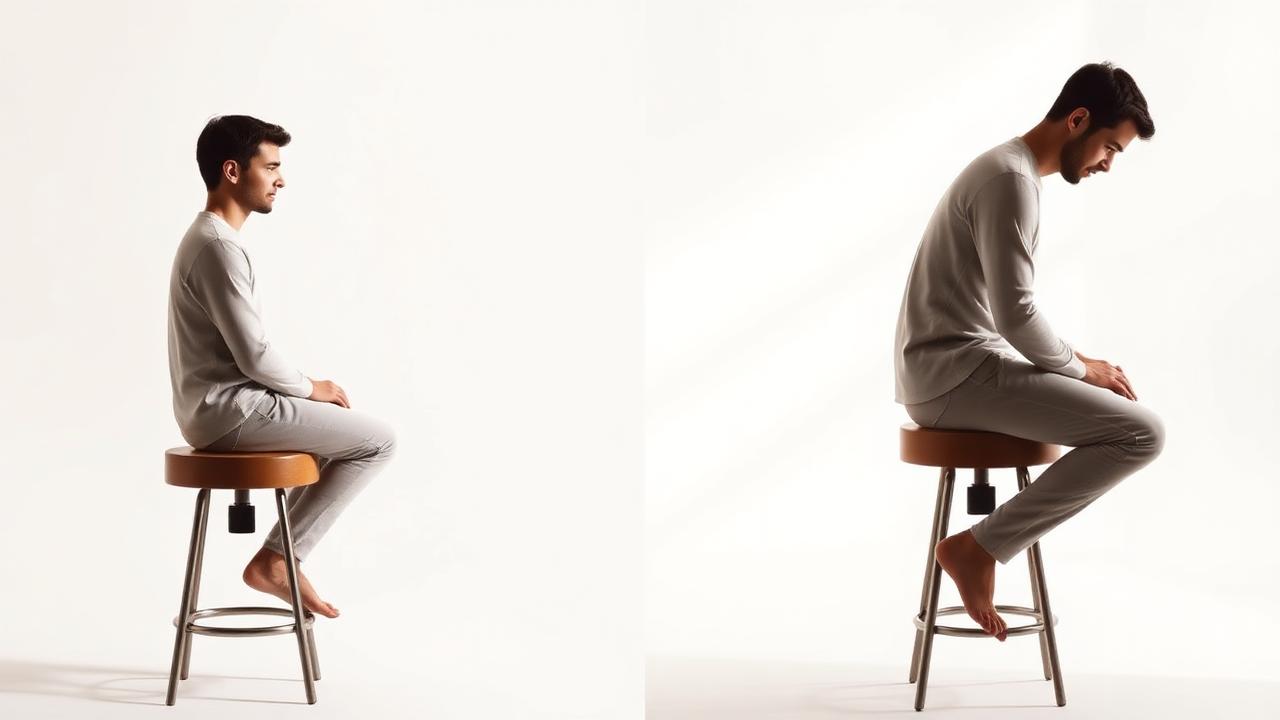
Everyday Habits That Contribute
- Desks and chairs that do not support natural spinal alignment
- Screens positioned too low, encouraging a forward head position
- Extended periods of sitting without breaks
- Carrying bags or devices asymmetrically
- Sleeping positions that place strain on the neck or lower back
- Limited variety in daily movement patterns
Many of these habits form gradually and go unnoticed until discomfort appears, often in the neck, shoulders, or lower back.
What Your Body Is Telling You
Tightness, stiffness, or a dull ache after long periods in one position is often the body signaling that it has spent too long without movement, not necessarily that any single posture was incorrect. Recognizing this distinction can help shift the focus away from static correction and toward dynamic habits.
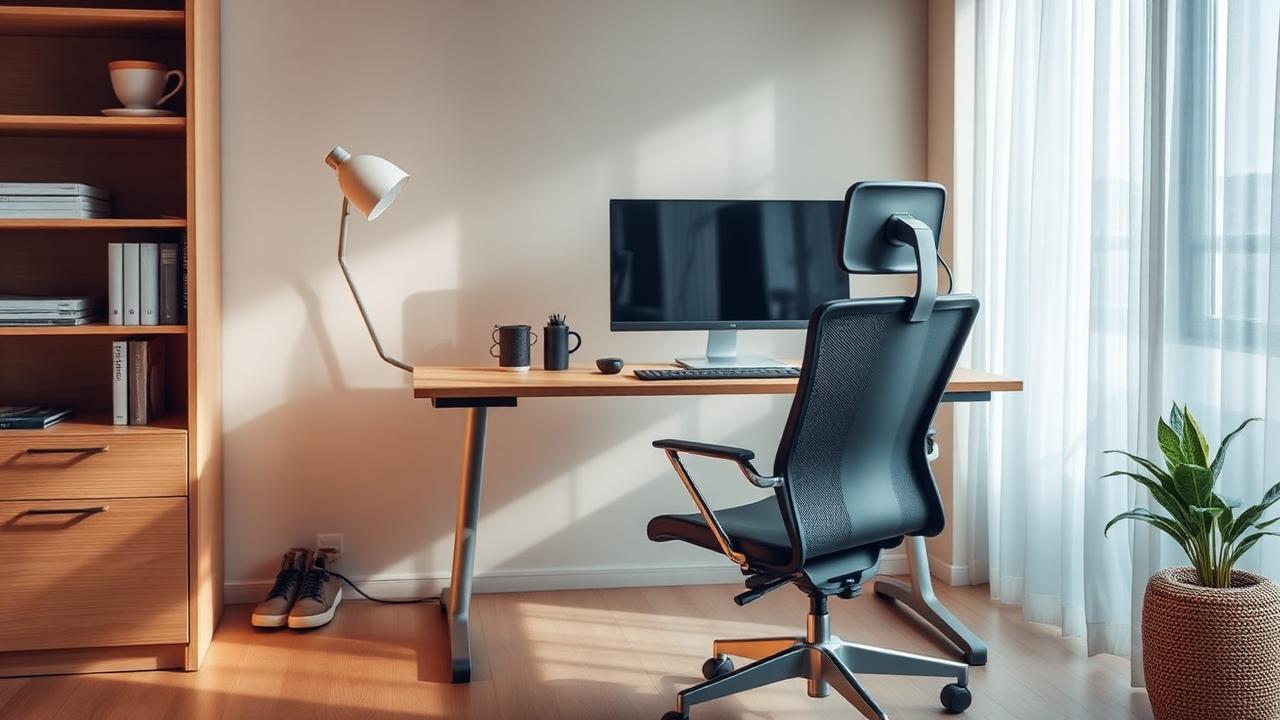
Practical Daily Recovery Habits
Rather than pursuing a single ideal posture, many posture specialists recommend focusing on variability and strength:
- Changing position every 30 to 45 minutes, even briefly
- Alternating between sitting, standing, and walking during the workday
- Strengthening the muscles that support the upper back and core
- Stretching the chest and hip flexors, which often tighten with prolonged sitting
- Adjusting workspace height so screens sit closer to eye level
- Practicing posture awareness during daily tasks, not just at a desk
How Spine Care Supports Everyday Wellness
Because posture is closely tied to spinal alignment and muscle balance, many people find that dedicated spine-focused recovery time helps counteract the effects of long, static days. Tools like the CERAGEM Master V4 are often incorporated into evening routines to support relaxation of the muscles surrounding the spine, complementing—rather than replacing—movement and ergonomic adjustments made throughout the day.
The best posture is the next one—not the one you are holding right now.
Frequently Asked Questions
Is there really such a thing as perfect posture?
Most posture researchers now caution against the idea of one perfect posture held at all times. The body is designed for movement, and staying in any single position for too long, even a technically upright one, can contribute to stiffness and discomfort. Variety and regular movement tend to matter more than any fixed ideal position.
Why does my posture worsen throughout the day even when I try to sit up straight?
Muscles fatigue with sustained effort, including the muscles that hold an upright seated position. As those muscles tire, the body naturally begins to slump or shift into positions that require less active effort. This is a normal physiological response, and it is one reason frequent position changes are often more effective than trying to hold one posture through willpower alone.
Can my workspace really affect my posture that much?
Yes. Desk height, monitor position, chair support, and even lighting can all influence how your body positions itself throughout the day, often without conscious awareness. Many posture-related complaints trace back to environmental setup rather than a lack of personal discipline.
What is the single most helpful posture habit?
Rather than focusing on one ideal posture, many experts recommend building in frequent movement breaks throughout the day. Standing, walking briefly, or simply shifting position every 30 to 45 minutes can help reduce the muscle imbalances associated with prolonged static positioning.
Can posture-related discomfort be improved at any age?
Many people notice improvement in posture-related comfort after introducing consistent movement, strengthening, and ergonomic adjustments, regardless of age. While individual results vary, small and sustained changes to daily habits and environment often produce noticeable benefits over time.
Key Takeaways
- There is no single perfect posture to maintain all day.
- Environment and workspace design shape posture more than discipline alone.
- Muscle imbalance, not one bad habit, is often the underlying cause of discomfort.
- Frequent movement and position changes matter more than any fixed alignment.
- Strengthening and stretching together support more balanced posture over time.
A Closing Thought
Posture is less a matter of correction and more a matter of variability, awareness, and supportive environments. Small, consistent adjustments to how and how often you move often do more for comfort than any effort to sit perfectly still and upright. Many people find that pairing daily movement with dedicated spinal recovery time, such as sessions on the CERAGEM Master V4, offers a balanced, sustainable approach to posture-related wellness.