Movement & Posture
Posture Awareness in Everyday Life
Not a rigid posture. A more aware one.
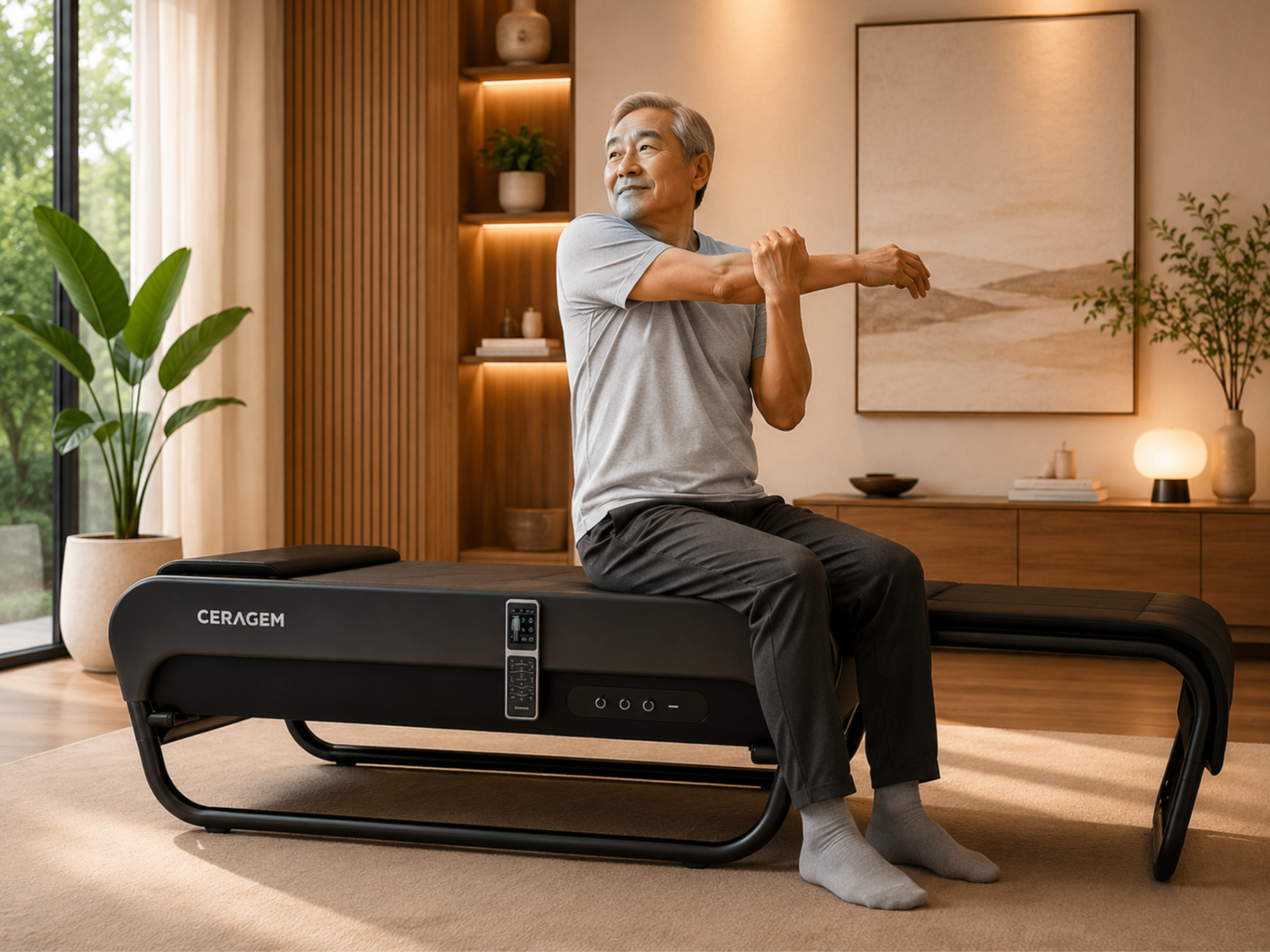
Posture advice usually arrives as a command: sit up straight. It rarely works, because a rigid posture held by effort is just another fixed position. A more useful goal is awareness — noticing what your body is doing often enough to change it.

At the desk
- Screen at roughly eye level so the head is not tilted downward
- Feet flat, hips slightly higher than the knees
- Elbows supported rather than hovering
- Position changed every twenty to thirty minutes

On the phone
The average phone session pulls the head forward and down. Raising the device closer to eye level, even by a few inches, changes how much work the neck and upper back have to do across a day of messages and scrolling.

In traffic
Long drives combine stillness with vibration and constant small corrections. Adjust the seat so the lower back is genuinely supported, keep both shoulders resting against the backrest, and use stops as an excuse to stand and move rather than to stay seated and check email.
The best posture is the next one.
Carrying things
Bags carried on the same shoulder every day ask one side of the body to do more work than the other. Alternating sides, or switching to a backpack worn on both shoulders, is one of the least demanding changes available.
Building awareness without obsessing
Set two or three natural check-in points during the day — after a meeting, when a coffee arrives, at the top of each hour. Notice where your head, shoulders and hips are, adjust, and move on. Awareness practised briefly and often beats vigilance sustained for an afternoon.
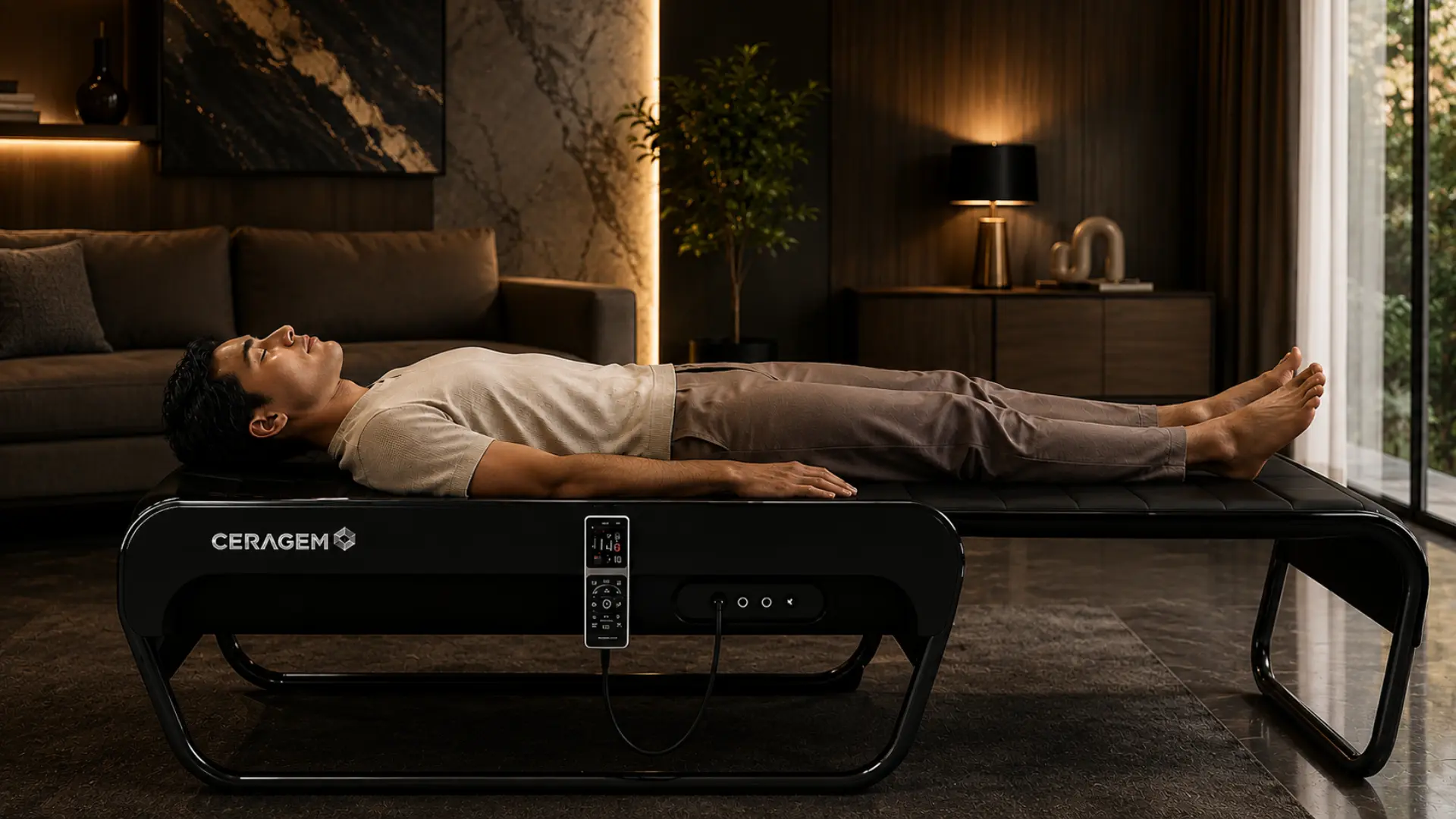
Gentle mobility work, warmth and regular recovery all support this. A structured wellness session gives the body a chance to move through a comfortable range it rarely visits during an ordinary day.