
Circulation & Leg Care
Circulation & Leg Care: Supporting Healthy Movement From the Ground Up
Tired, heavy legs are one of the most common end-of-day complaints — for people who stand all day, for people who sit all day, and for anyone who spends long stretches in traffic. The cause is usually the same: the lower body's circulation depends on movement, and modern days do not provide much of it.
This guide explains how lower-body circulation works, what makes it sluggish, and which practical habits help legs feel lighter.
Key Takeaways
- Leg muscles act as a pump that helps return blood upward; stillness switches that pump off.
- Both prolonged sitting and prolonged standing reduce circulatory efficiency.
- Movement, elevation and warmth are the three simplest daily interventions.
- Persistent swelling, pain or discolouration should always be assessed by a doctor.
How Lower-Body Circulation Works
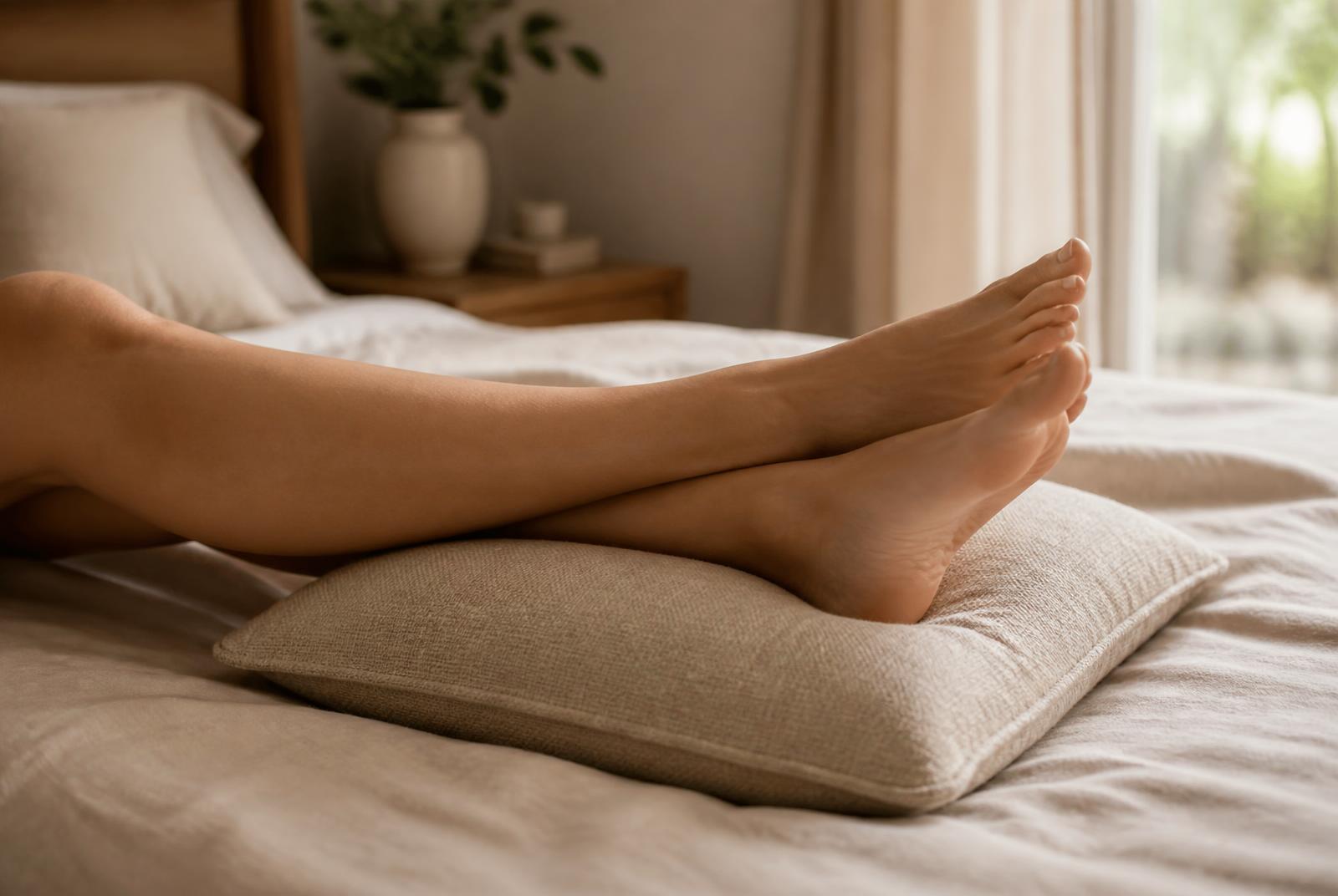
Getting blood down to the legs is straightforward — gravity helps. Returning it is the harder job. The body relies on the calf muscles contracting with each step to squeeze the veins and push blood back upward, assisted by one-way valves that prevent backflow.
This is often called the calf pump. When you walk, it works constantly. When you sit or stand still for hours, it barely works at all, and fluid tends to settle in the lower legs and feet.
Why Legs Feel Heavy at the End of the Day

Heaviness usually reflects a combination of reduced circulation, mild fluid pooling and muscular fatigue. Several ordinary patterns contribute.
- Sitting for long stretches with the hips and knees bent at right angles.
- Standing in one place, which loads the legs without engaging the calf pump.
- Crossing the legs for extended periods.
- Long flights or long drives with limited opportunity to stand.
- Dehydration and hot weather, both of which affect fluid balance.
Daily Habits That Support Circulation

Small, frequent interventions are far more effective than a single long effort at the end of the day.
- Stand and walk for two minutes every hour, even just around the office.
- Do 15–20 slow calf raises at your desk or while waiting in line.
- Elevate the legs above heart level for ten minutes in the evening.
- Keep hydration steady through the day.
- Apply warmth to the calves and thighs to encourage vessels to open.
Warmth, Gentle Compression and Movement
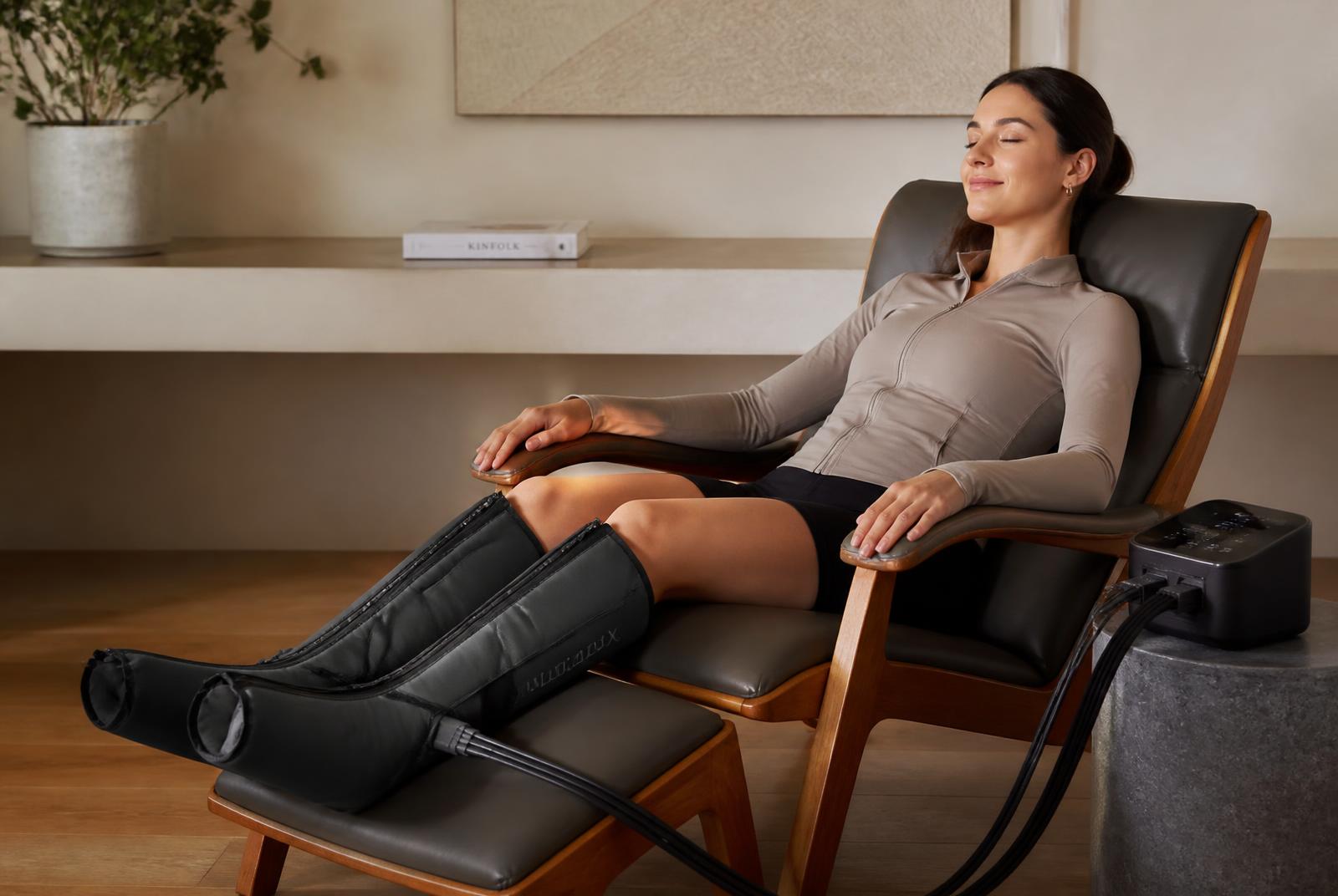
Warmth encourages blood vessels to dilate, which supports flow through the lower limbs. Gentle rhythmic compression — of the kind used in air-pressure leg massage — mimics the natural pumping action of walking, helping fluid move upward.
Combining the two is why so many people find lower-body thermal sessions leave their legs feeling noticeably lighter than passive rest alone.
Targeted Leg & Calf Wellness
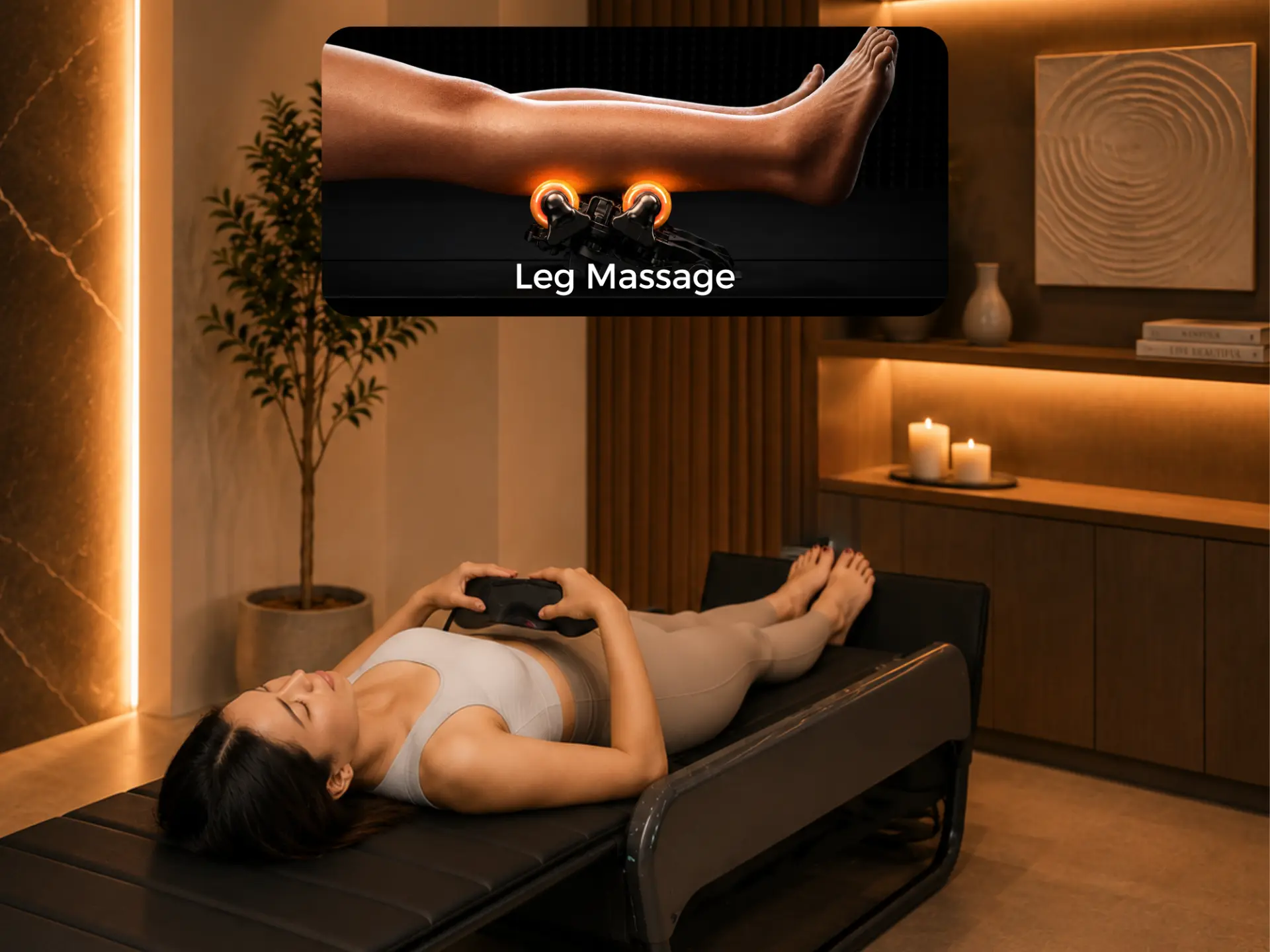
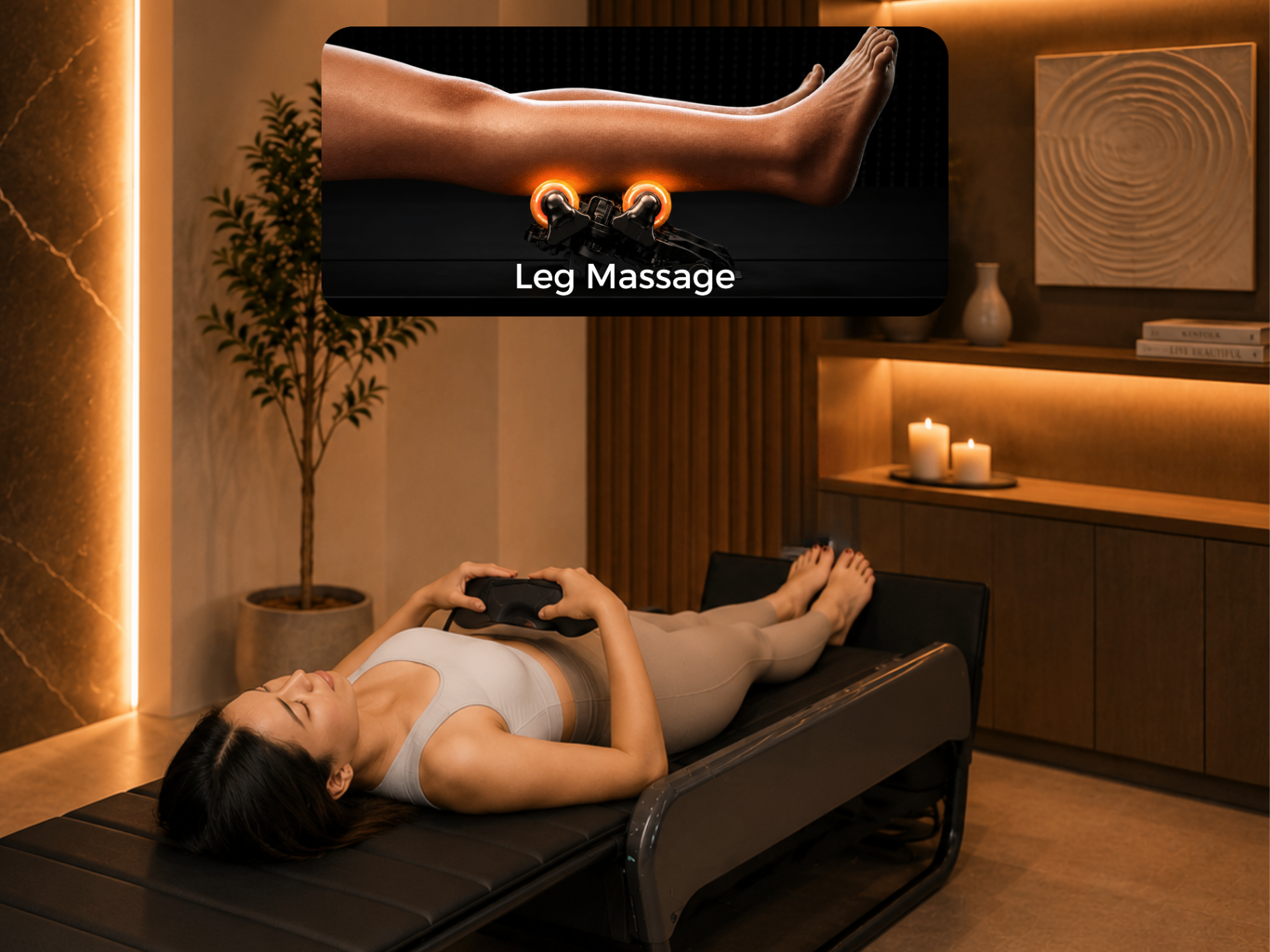
Experience the versatility of the CERAGEM Master V4 with the Internal Projector. By inverting your lying position, you can comfortably position the Internal Projector against your calves for targeted warmth and massage—helping relax tired muscles and support everyday comfort.
Frequently Asked Questions
Is sitting or standing worse for circulation?
Both cause problems when sustained. The real issue is stillness — alternating positions and moving briefly every hour is better than either extreme.
Does elevating my legs actually help?
Yes. Elevating the legs above heart level for ten to fifteen minutes uses gravity to assist venous return and can noticeably reduce end-of-day heaviness.
Can warmth help tired legs?
Warmth encourages vessels to dilate and helps fatigued muscles relax, which is why warm sessions often leave legs feeling lighter.
When should I see a doctor?
Persistent swelling in one leg, pain, warmth or discolouration should be assessed promptly by a licensed medical professional. Wellness practices are supportive, not diagnostic.
Your legs carry you through the day; they respond well to being given movement, elevation and warmth in return. Build those three into an ordinary schedule and heaviness stops being the default way your evenings begin.
This article is educational and does not constitute medical advice. For persistent or severe symptoms, please consult a licensed healthcare professional.
The Next Step
Experience the CERAGEM Difference.
Reading about wellness is the first step. Experiencing it is something entirely different.
Visit the CERAGEM Shaw Wellness Lounge and discover how intelligent spine scanning, thermal massage, automated stretching, and personalized wellness technology come together in one relaxing 40-minute session.
Whether you're looking to improve your daily wellness routine, unwind after work, or simply invest in better self-care, our wellness specialists will guide you through the experience.
- First-time visitors welcome
- Personalized wellness consultation
- Premium private wellness lounge
- No pressure to purchase
Continue Your Wellness Journey
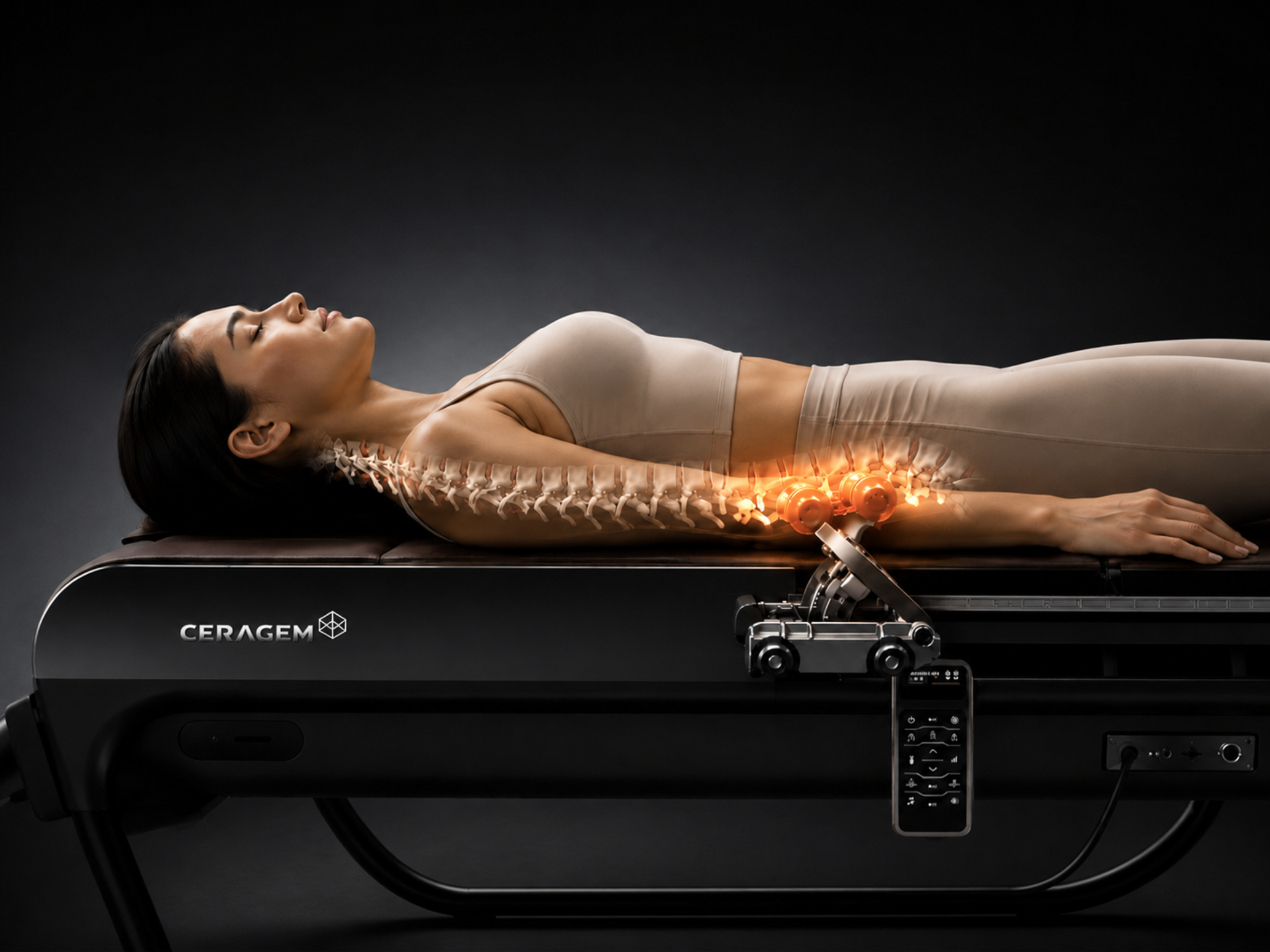
Back & Spine Care
How posture, sitting, and daily movement shape spinal comfort — and the simple habits that help your back feel supported from morning to night.
Read Article
Pain Relief & Recovery
Recovery isn't the absence of activity — it's an active process. A guide to helping your body reset after physical and mental demands.
Read Article
Relaxation & Stress Relief
Stress lives in the body as much as the mind. How warmth, breath and quiet help the nervous system return to a calmer baseline.
Read Article
Daily Wellness
Wellness is what you repeat, not what you occasionally attempt. A practical framework for building a routine that survives a busy week.
Read Article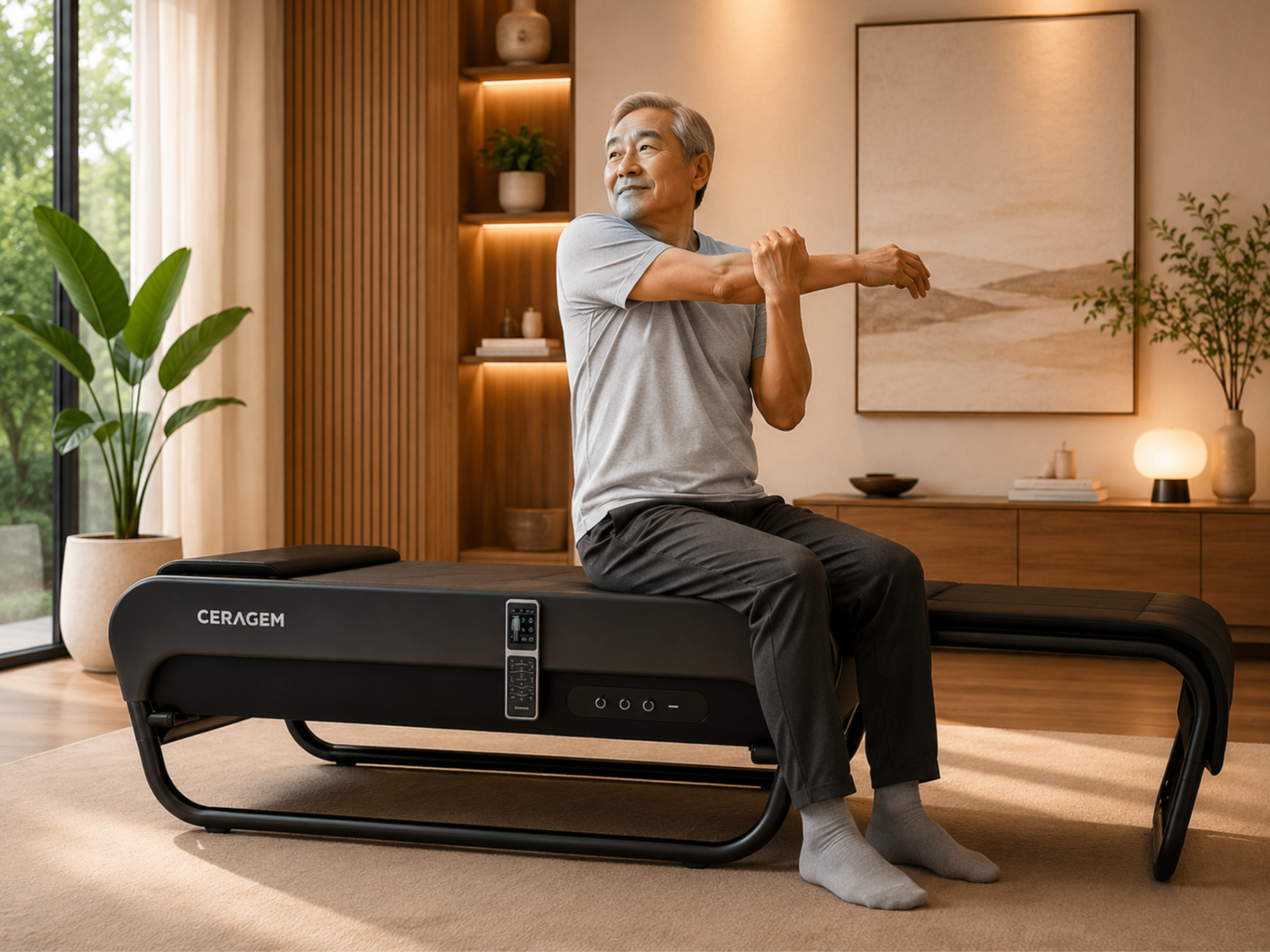
Flexibility & Mobility
Flexibility and mobility aren't the same thing — and knowing the difference changes how you train, stretch and recover.
Read Article