
Relaxation & Stress Relief
Relaxation & Stress Relief: Restoring Calm With Thermal Wellness
Stress is often described as a mental state, but the body registers it first. Shoulders rise, breathing shortens, the jaw tightens, and muscles hold a low-level contraction that can persist for hours after the stressful moment has passed.
This guide explores how stress physically expresses itself, why ordinary downtime often fails to release it, and what genuine relaxation looks like in practice.
Key Takeaways
- Stress creates measurable physical tension, most often in the neck, shoulders and lower back.
- Scrolling and screen time are rest for the schedule, not for the nervous system.
- Slow breathing, warmth and quiet are the fastest reliable route to a calmer state.
- Relaxation is a skill that improves with regular practice.
How Stress Shows Up in the Body
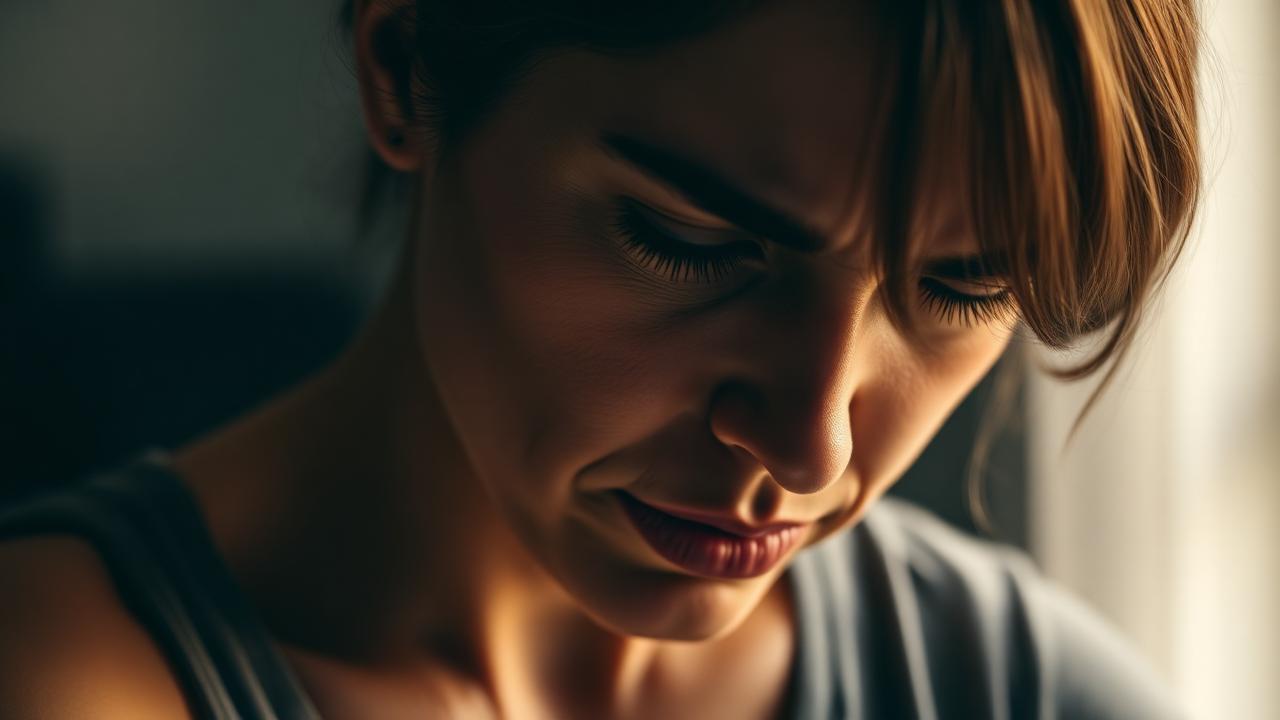
Under pressure, the body prepares for action: heart rate rises, breathing becomes shallow, and muscles brace. This response is useful in short bursts. The difficulty in modern life is that the trigger rarely resolves cleanly, so the bracing never fully switches off.
Over weeks, that sustained low-level tension becomes the body's new default. People notice it as tight shoulders, a stiff neck, shallow breathing, disturbed sleep, or a back that aches without any obvious physical cause.
Why Ordinary Downtime Doesn't Always Help
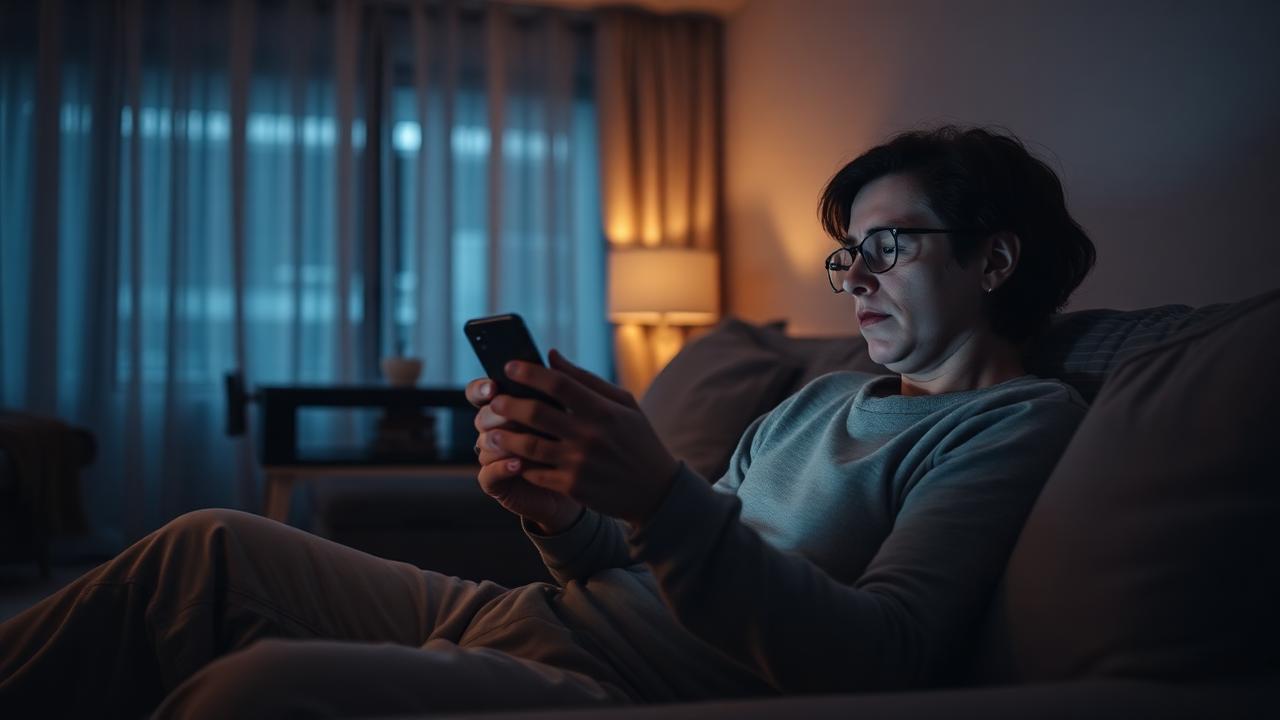
Sitting on the sofa scrolling through a phone looks like rest, but the nervous system reads it differently. Bright screens, rapid content changes and social comparison all keep arousal elevated. You end the evening physically still and neurologically busy.
True relaxation has recognisable markers: breathing slows and deepens, shoulders drop, the jaw loosens, and the mind stops planning. Those markers rarely appear during passive screen time.
The Calming Power of Warmth
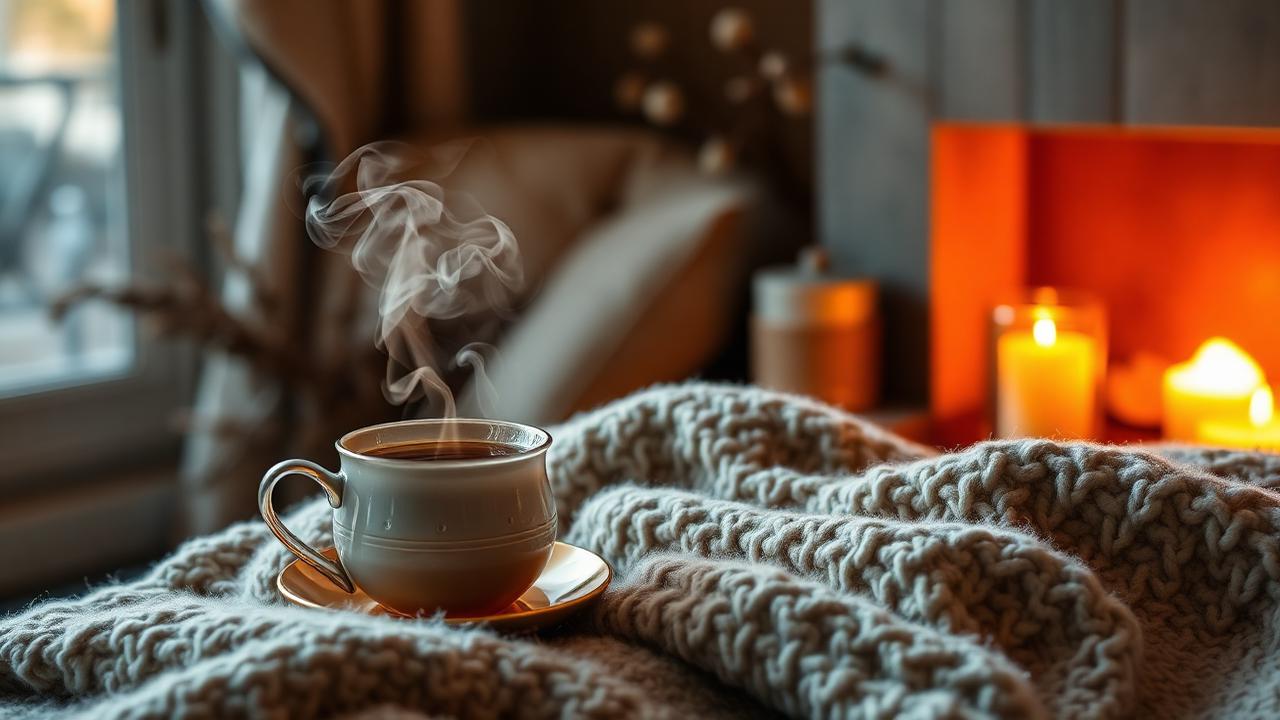
Warmth is one of the most reliable and accessible relaxation cues available. Applied across the back, it encourages muscles to release their guard and signals safety to the nervous system. In Korean wellness tradition, this principle is centuries old — the heated ondol floor was as much a social and restorative ritual as a heating system.
Modern thermal wellness applies the same idea with more precision: sustained, controlled warmth delivered along the spine, where much of the body's stress-related tension is held.
Practices That Genuinely Downshift the Body
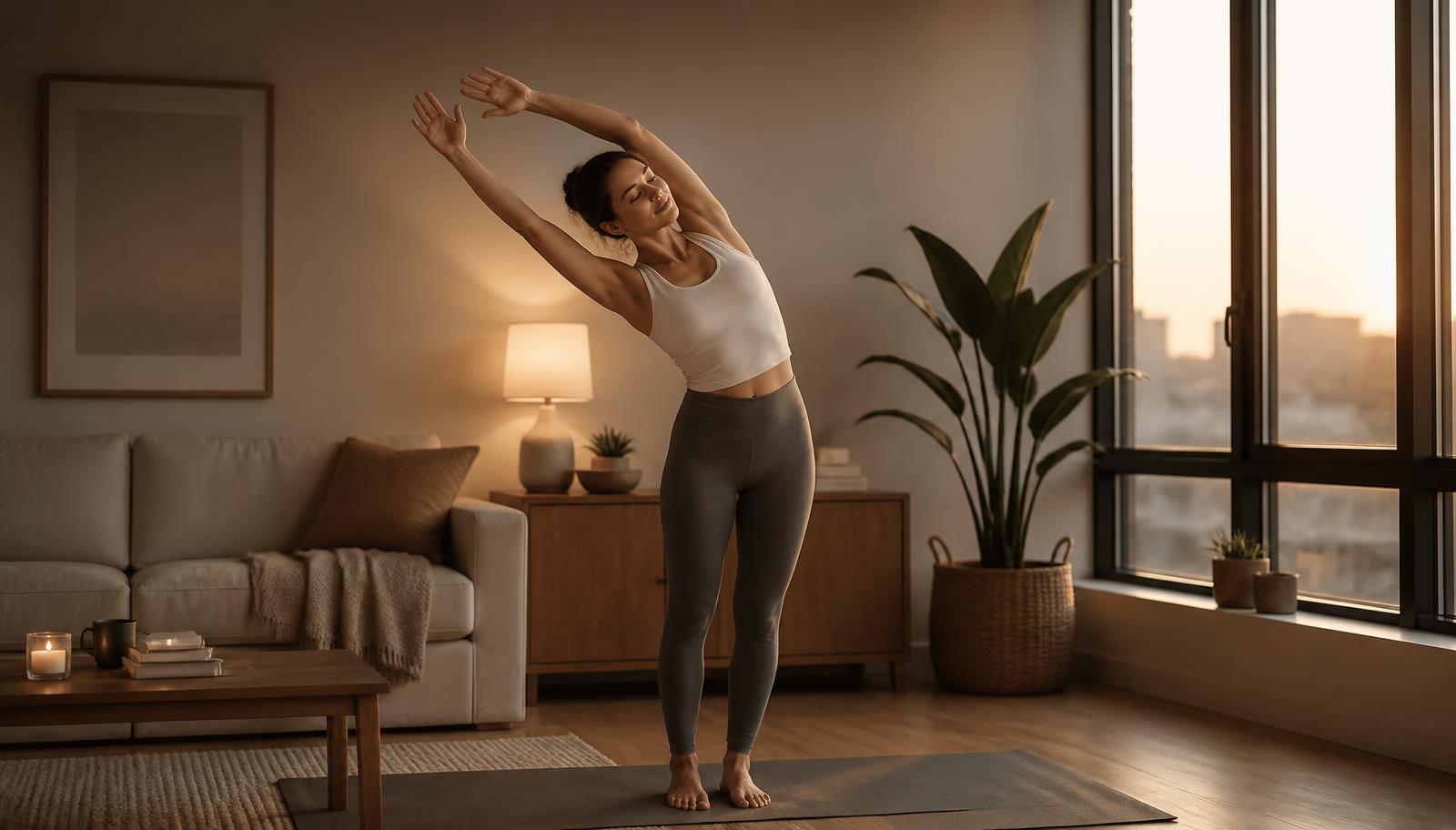
These take minutes, not hours, and work best when practised regularly rather than only in crisis.
- Extend your exhale so it is longer than your inhale for two minutes.
- Let the shoulders drop deliberately every time you unlock your phone.
- Step outside for daylight once during the working day.
- Create a screen-free buffer of 30 minutes before sleep.
- Schedule one deep-rest session each week where nothing is required of you.
How the CERAGEM Master V4 Supports Relaxation
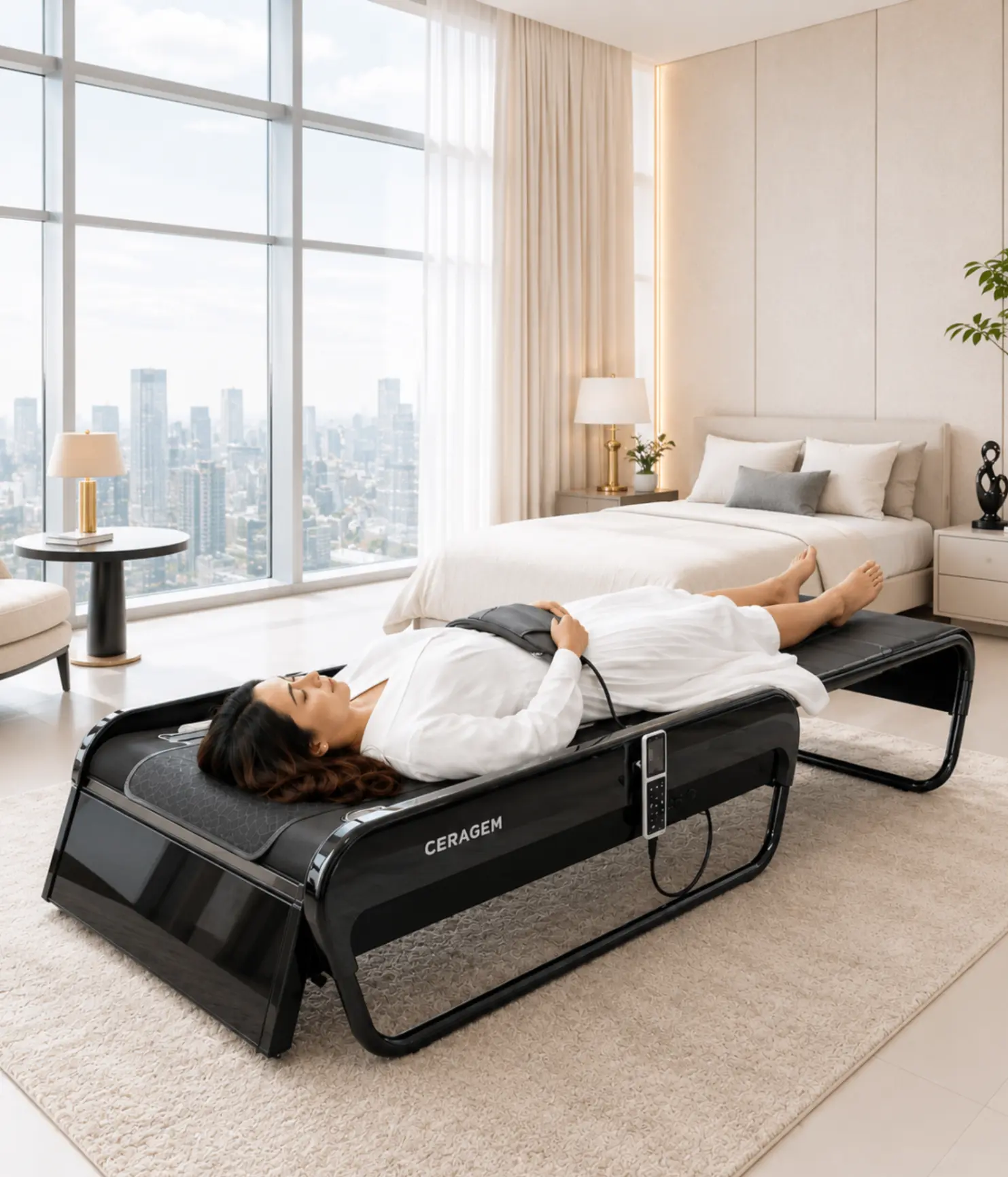
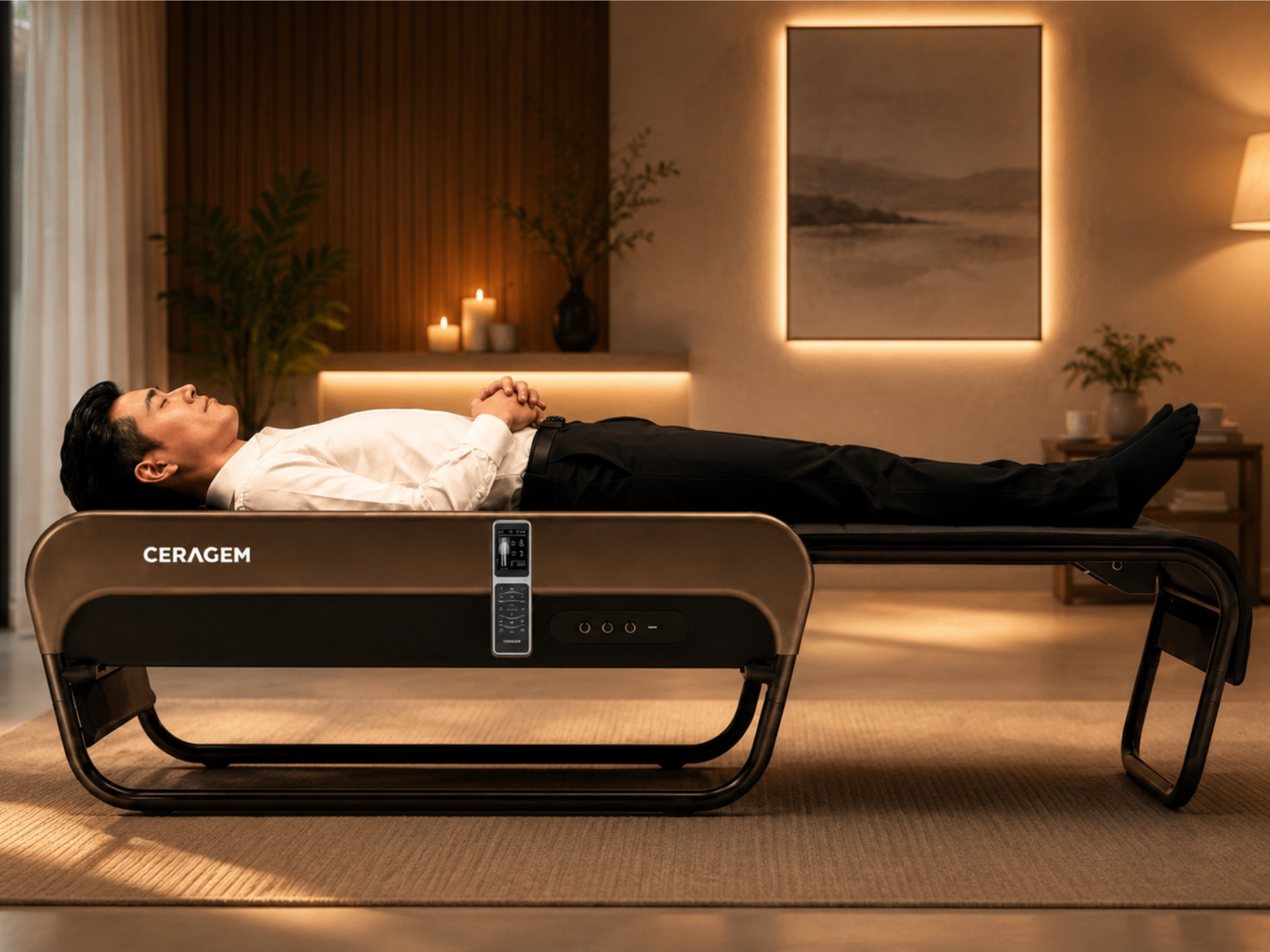
A Master V4 session removes the two biggest obstacles to relaxation: effort and interruption. You lie down, the bed scans your spine, and warmth begins to travel slowly along your back. There is nothing to hold, monitor, or decide.
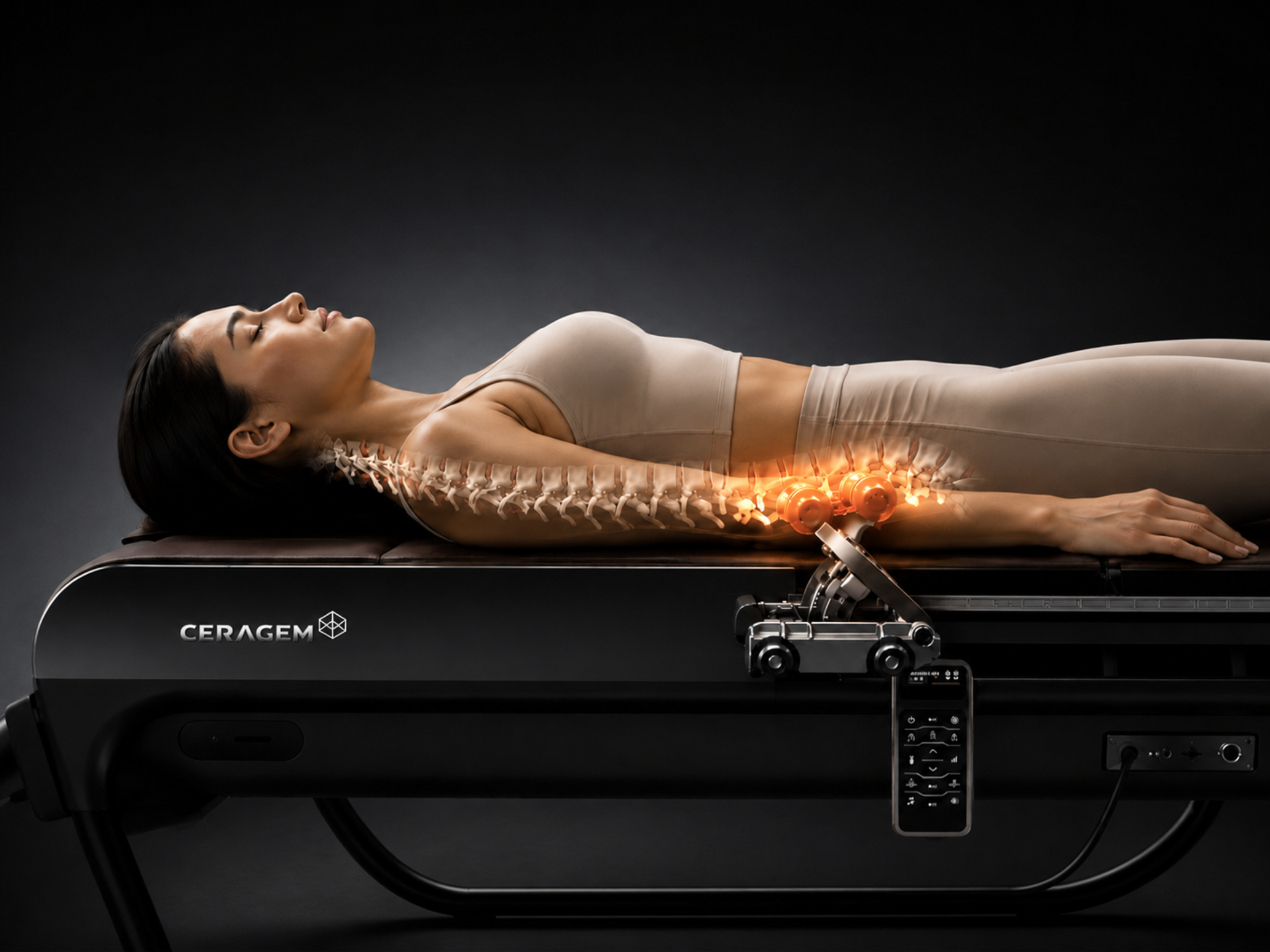
Ceramic thermal rollers combine warmth with gentle acupressure, while automated stretching releases the areas that stress tends to grip. In a private room at the CERAGEM Shaw Wellness Lounge, with soft light and no notifications, 40 minutes is usually enough for breathing to slow and the body to genuinely let go.
Many guests tell us the most surprising part is how mentally quiet they feel afterwards — the physical release and the mental one arrive together.
Frequently Asked Questions
How quickly can a session change how I feel?
Most people notice a shift within the session itself, usually in the second half once breathing has slowed. The longer-term benefit comes from repeating it regularly.
Is thermal massage relaxing or stimulating?
It is designed to be relaxing. The warmth and rhythm are steady and gentle rather than intense, which is why many guests fall asleep during a session.
What time of day is best for a relaxation session?
Late afternoon and evening suit most people, because the session helps close the working day. Morning sessions can also work well if you prefer to start calm.
Do I need any experience with wellness treatments?
None at all. A wellness specialist will explain each stage, and first-time visitors are always welcome.
Calm is not something you find at the end of a busy period — it is something you practise during one. Give your body warmth, quiet and slow breathing on a regular schedule, and stress stops setting the baseline.
This article is educational and does not constitute medical advice. For persistent or severe symptoms, please consult a licensed healthcare professional.
The Next Step
Experience the CERAGEM Difference.
Reading about wellness is the first step. Experiencing it is something entirely different.
Visit the CERAGEM Shaw Wellness Lounge and discover how intelligent spine scanning, thermal massage, automated stretching, and personalized wellness technology come together in one relaxing 40-minute session.
Whether you're looking to improve your daily wellness routine, unwind after work, or simply invest in better self-care, our wellness specialists will guide you through the experience.
- First-time visitors welcome
- Personalized wellness consultation
- Premium private wellness lounge
- No pressure to purchase
Continue Your Wellness Journey
Back & Spine Care
How posture, sitting, and daily movement shape spinal comfort — and the simple habits that help your back feel supported from morning to night.
Read Article
Pain Relief & Recovery
Recovery isn't the absence of activity — it's an active process. A guide to helping your body reset after physical and mental demands.
Read Article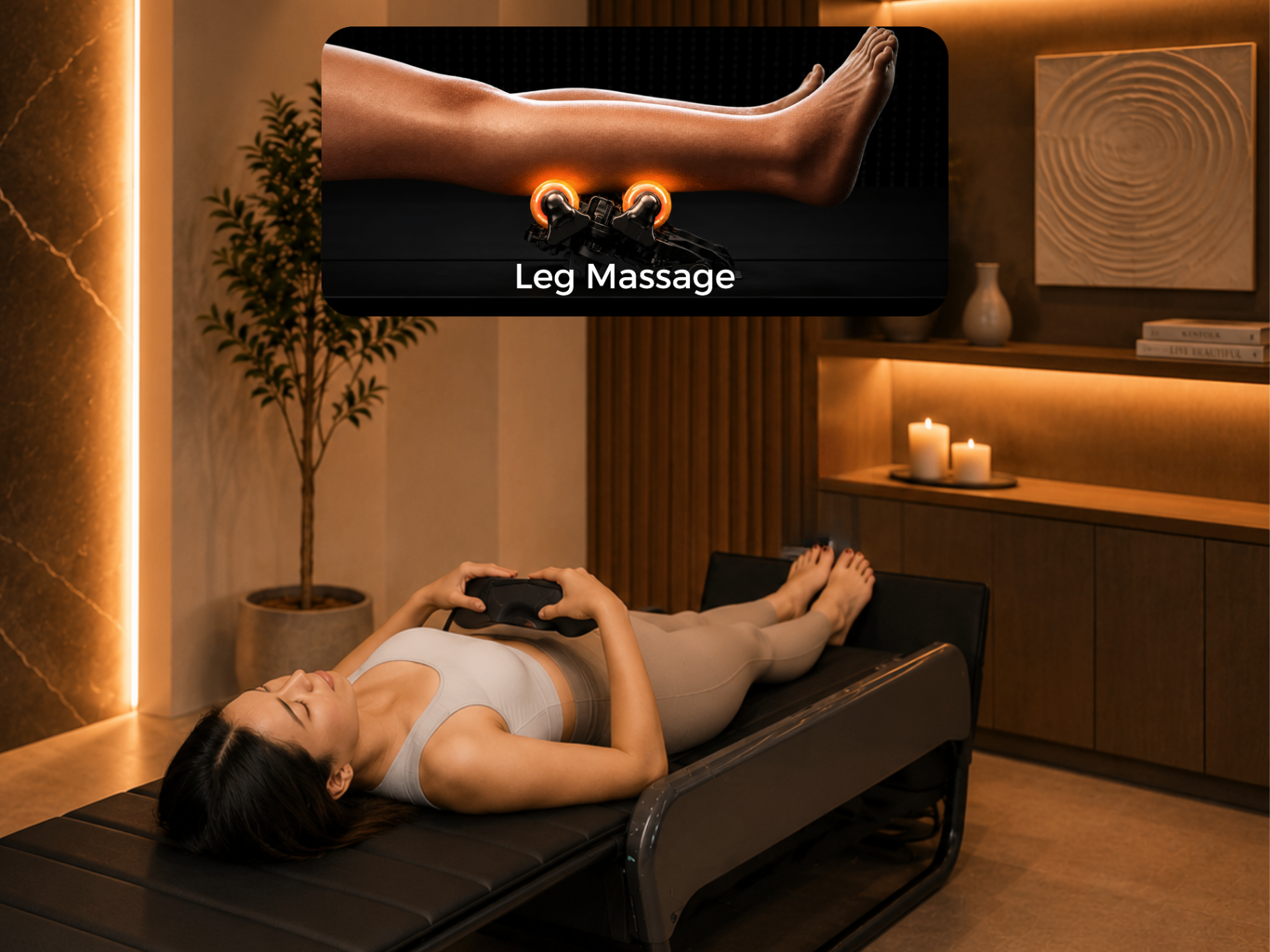
Circulation & Leg Care
Heavy legs at the end of the day are common — and largely addressable. A guide to circulation, lower-body comfort and everyday habits.
Read Article
Daily Wellness
Wellness is what you repeat, not what you occasionally attempt. A practical framework for building a routine that survives a busy week.
Read Article
Flexibility & Mobility
Flexibility and mobility aren't the same thing — and knowing the difference changes how you train, stretch and recover.
Read Article