
Flexibility & Mobility
Flexibility & Mobility: Moving Comfortably Through Everyday Life
Reaching into the back seat of the car. Turning to check a blind spot. Bending to tie a shoelace. These are the movements that tell you how mobile you really are — long before any fitness test does.
This guide explains the difference between flexibility and mobility, why range of motion declines quietly, and how gentle daily practice and assisted stretching help you keep moving comfortably.
Key Takeaways
- Flexibility is tissue length; mobility is usable, controlled range of motion.
- Range of motion is lost through disuse far more often than through age alone.
- Frequent short stretching beats one long weekly session.
- Warm tissue responds to stretching far better than cold tissue.
Flexibility Is Not the Same as Mobility
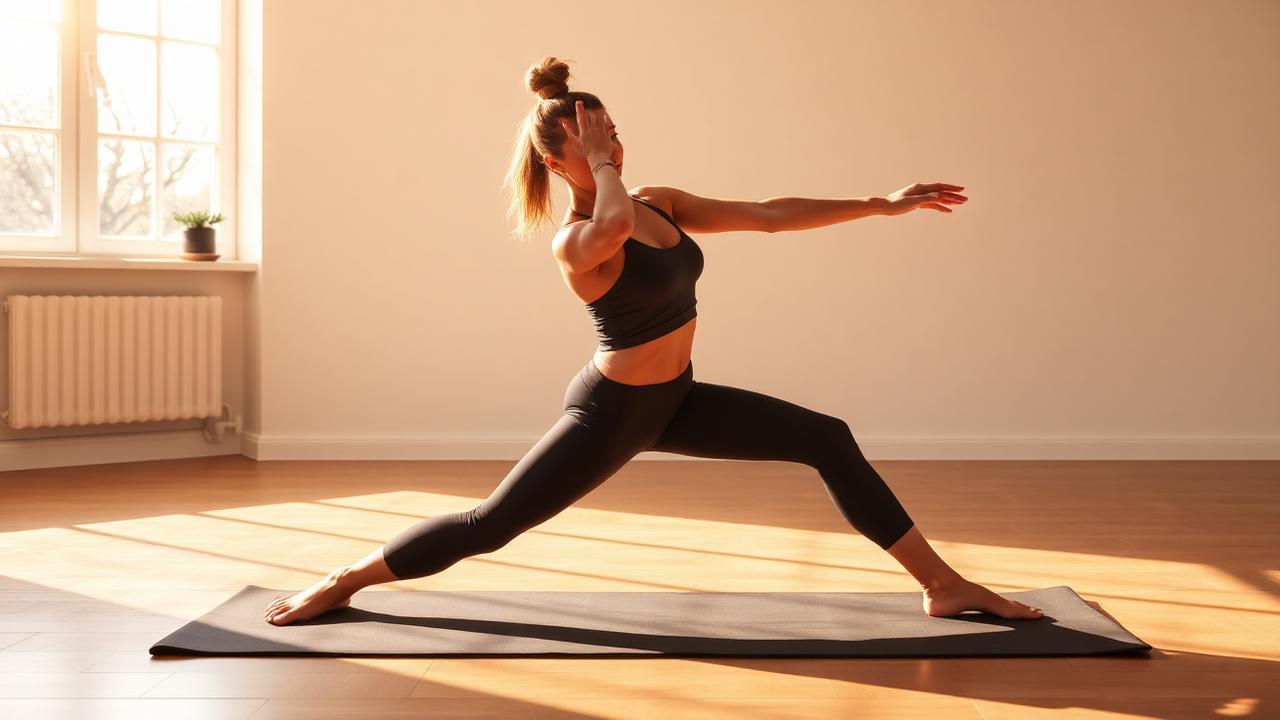
Flexibility describes how far a muscle can lengthen passively. Mobility describes how much of that range you can actually use with control. Someone can be flexible on the floor and still struggle to reach overhead comfortably, because the joint lacks the strength and coordination to control the range.
Useful movement requires both — length in the tissue and control at the joint. That is why a well-rounded routine combines gentle stretching with movement through range, not just holding positions.
How Range of Motion Quietly Disappears
The body is efficient: it maintains what it uses and lets go of what it doesn't. Ranges you never visit gradually become unavailable.
- Hips that stay bent at 90 degrees for eight hours a day lose extension.
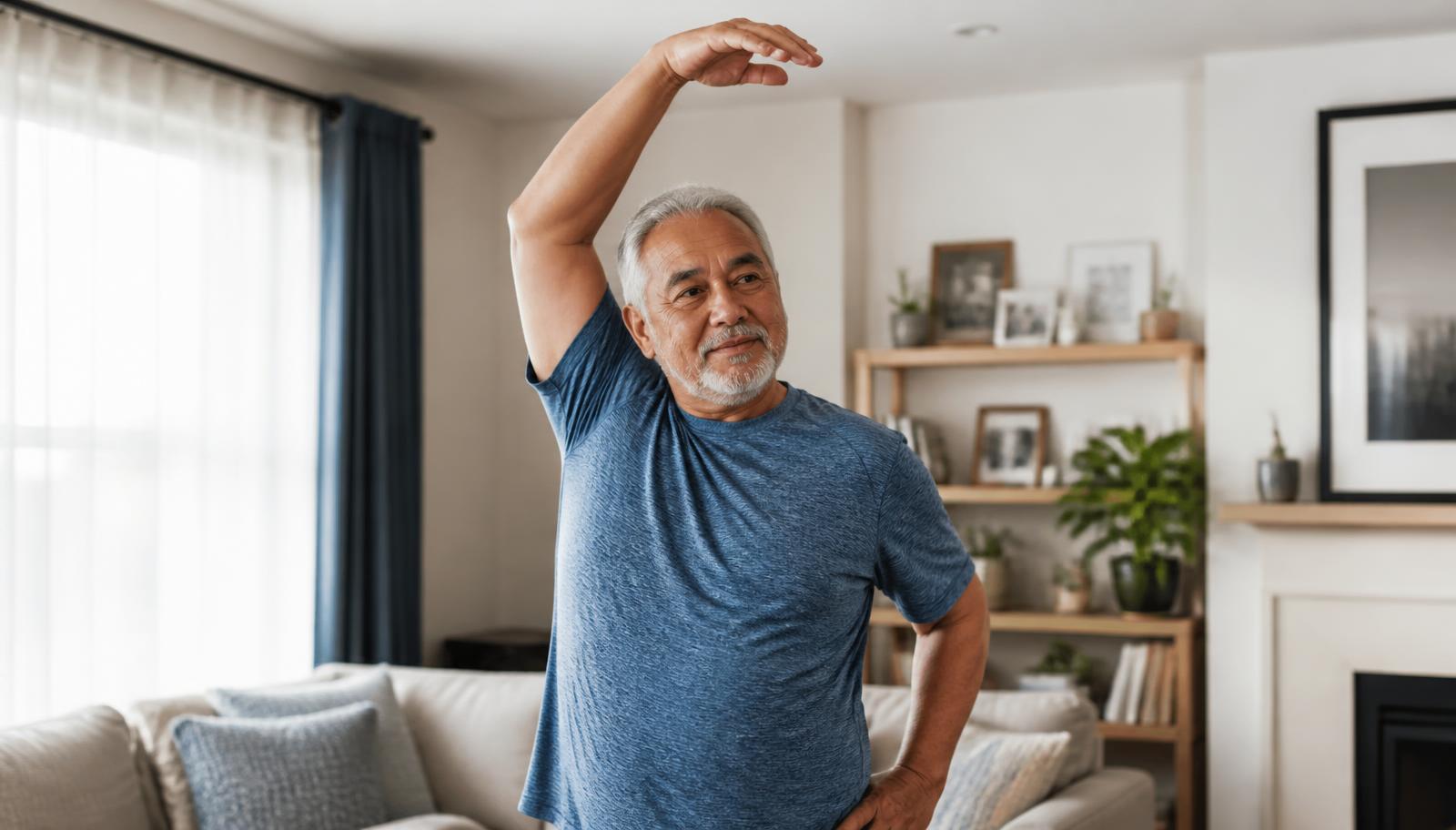
- Shoulders that rarely go overhead lose comfortable overhead reach.
- A mid-back that never rotates becomes stiff, forcing the lower back to compensate.
- Ankles restricted by stiff shoes lose the dorsiflexion needed for stairs and squats.
A Gentle Daily Mobility Practice
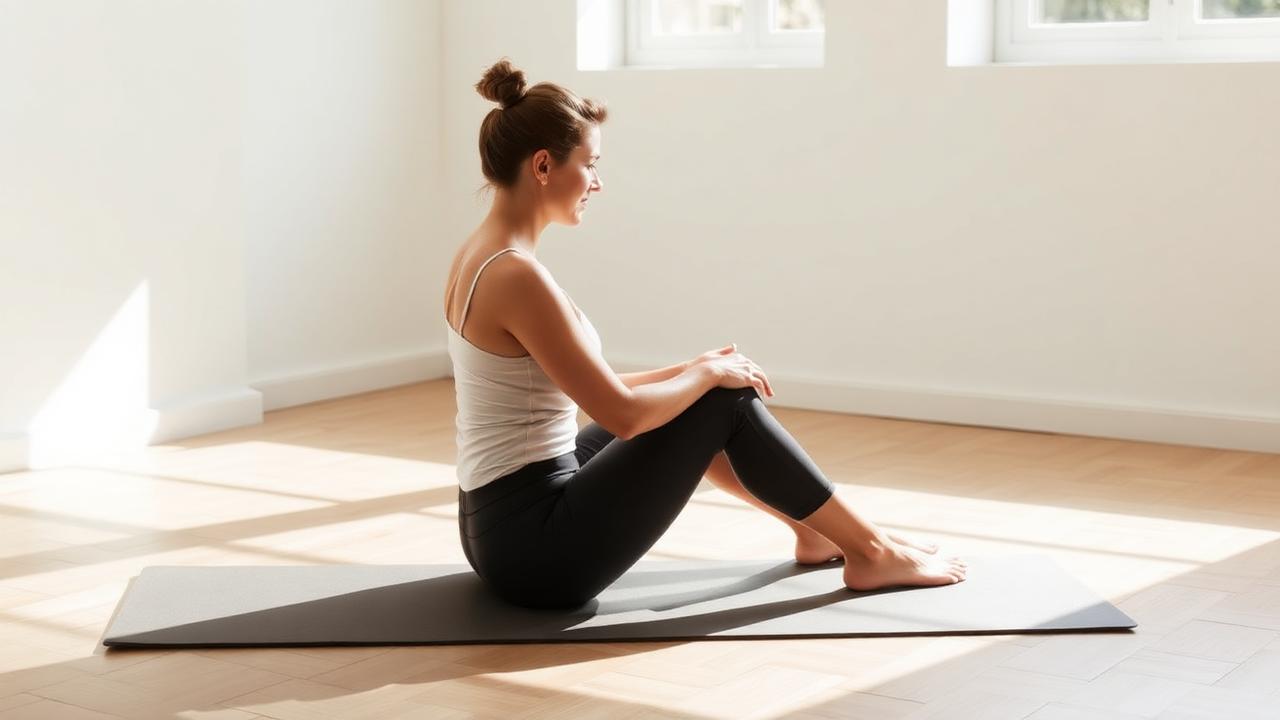
Five to ten minutes daily is more effective than an hour once a week. Move slowly, breathe, and stop short of pain.
- Seated or standing spinal rotation, ten slow repetitions each side.
- A gentle hip flexor stretch, 30 seconds per side, to counter sitting.
- Slow shoulder circles and an overhead reach against a wall.
- Calf and ankle mobility on a step, controlled and unhurried.
- A supported back extension to restore the natural curve of the lower spine.
Why Warm Tissue Stretches Better
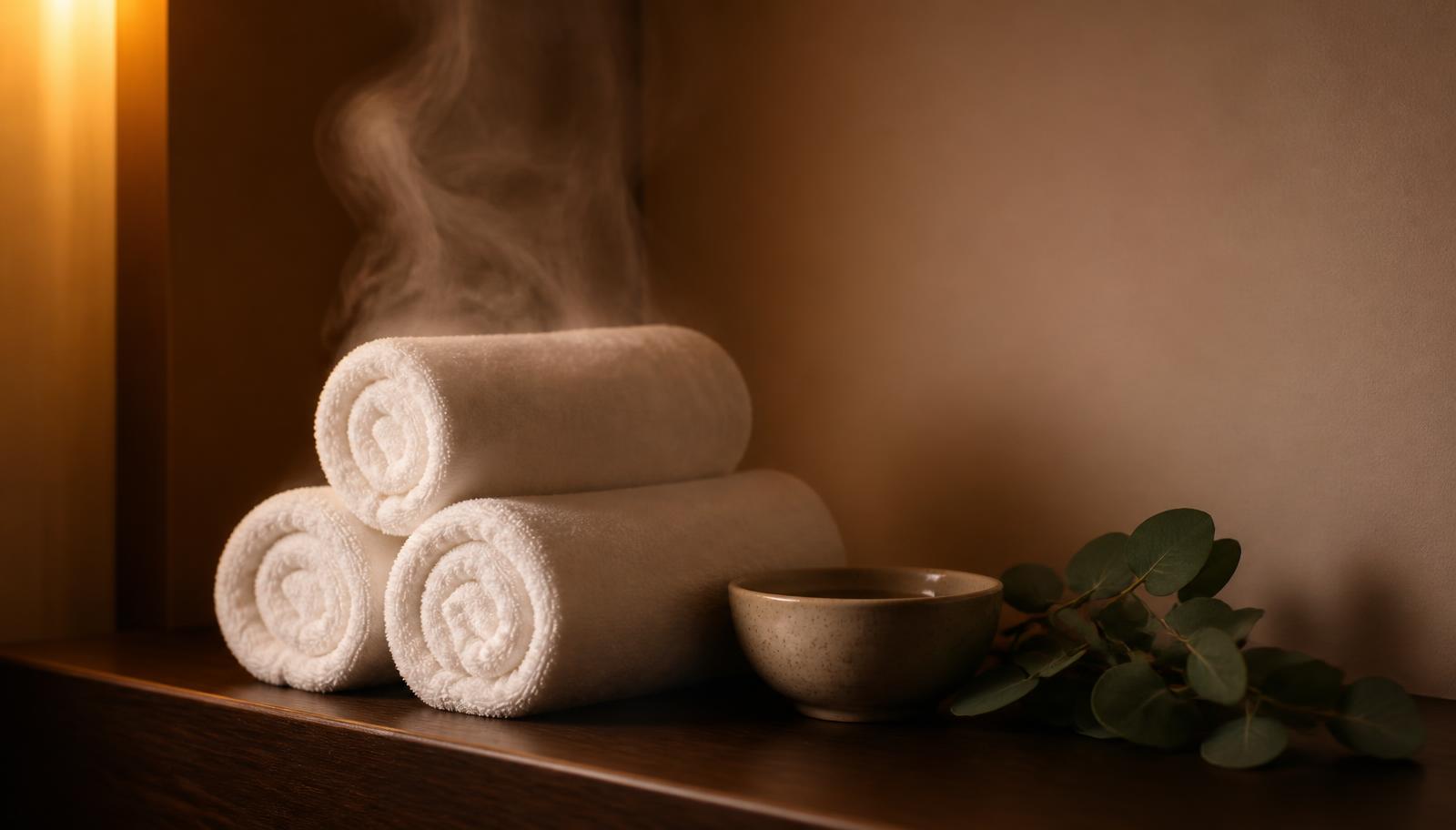
Muscle and connective tissue behave differently at different temperatures. Warm tissue is more pliable and more willing to lengthen, which is why stretching after a walk or a warm shower feels dramatically easier than stretching first thing on a cold morning.
Assisted stretching adds another advantage: when someone — or something — supports the movement, you can relax into the position instead of bracing. Relaxed tissue lengthens; guarded tissue resists.
How the CERAGEM Master V4 Supports Mobility
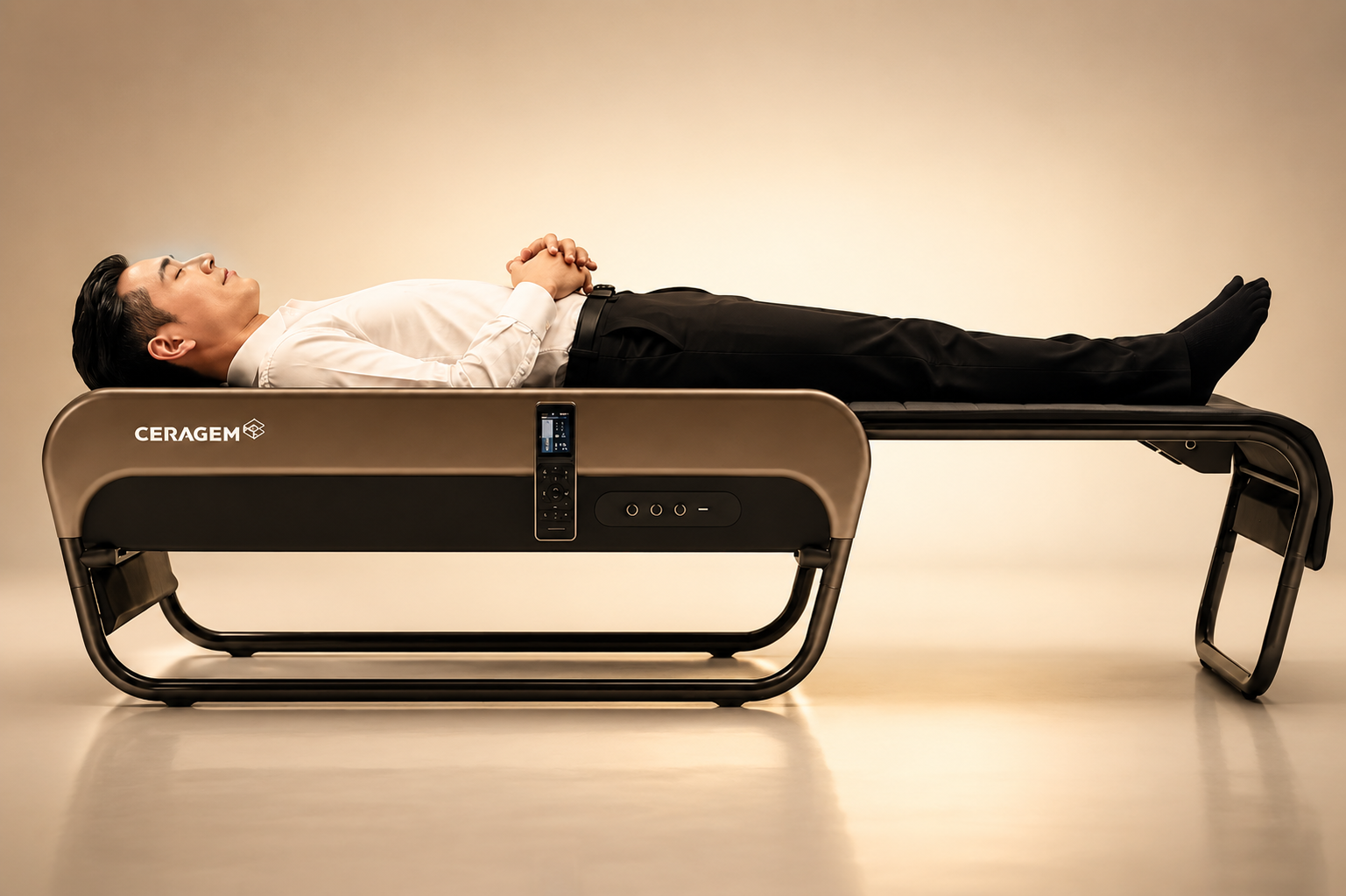
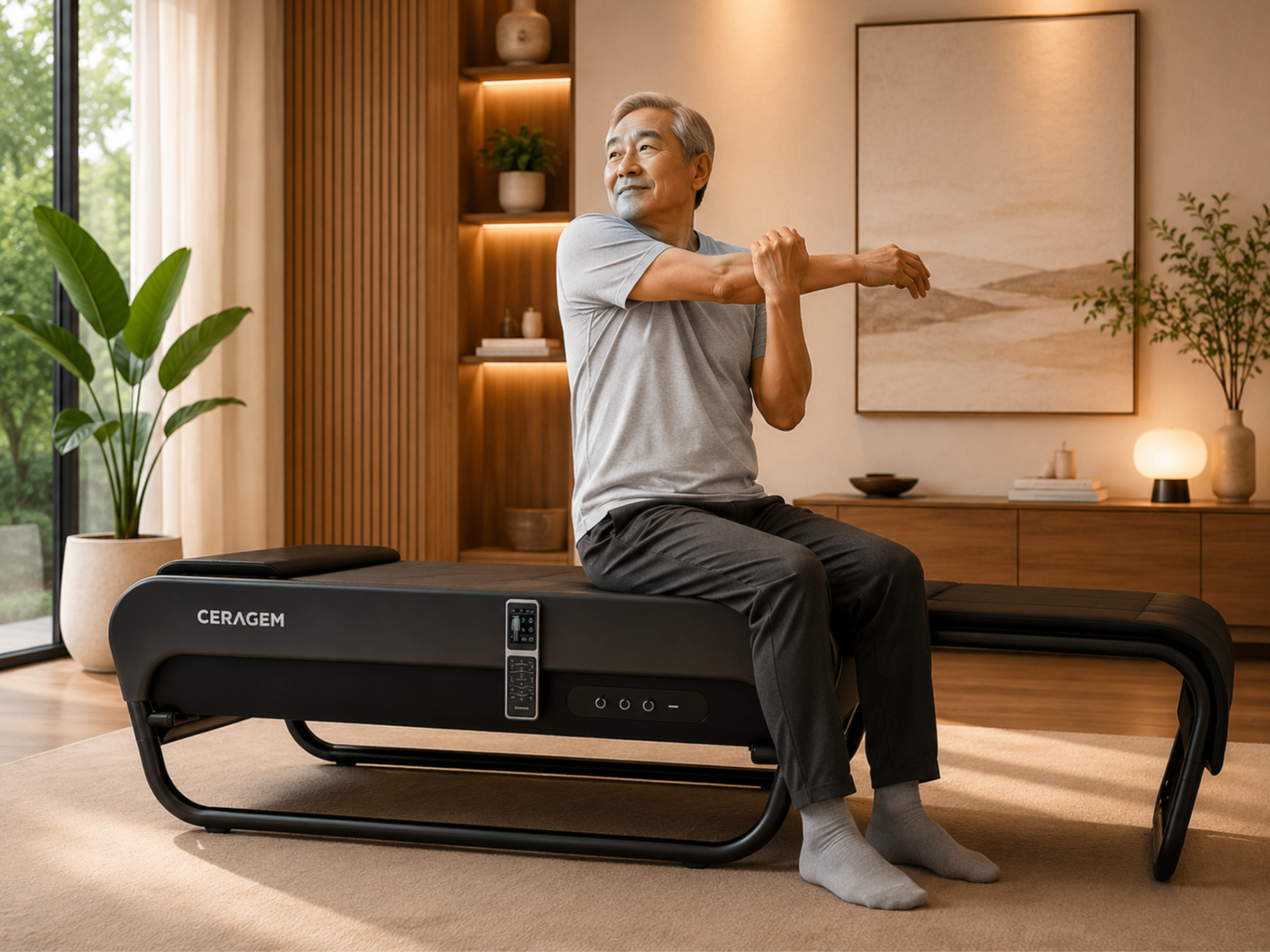
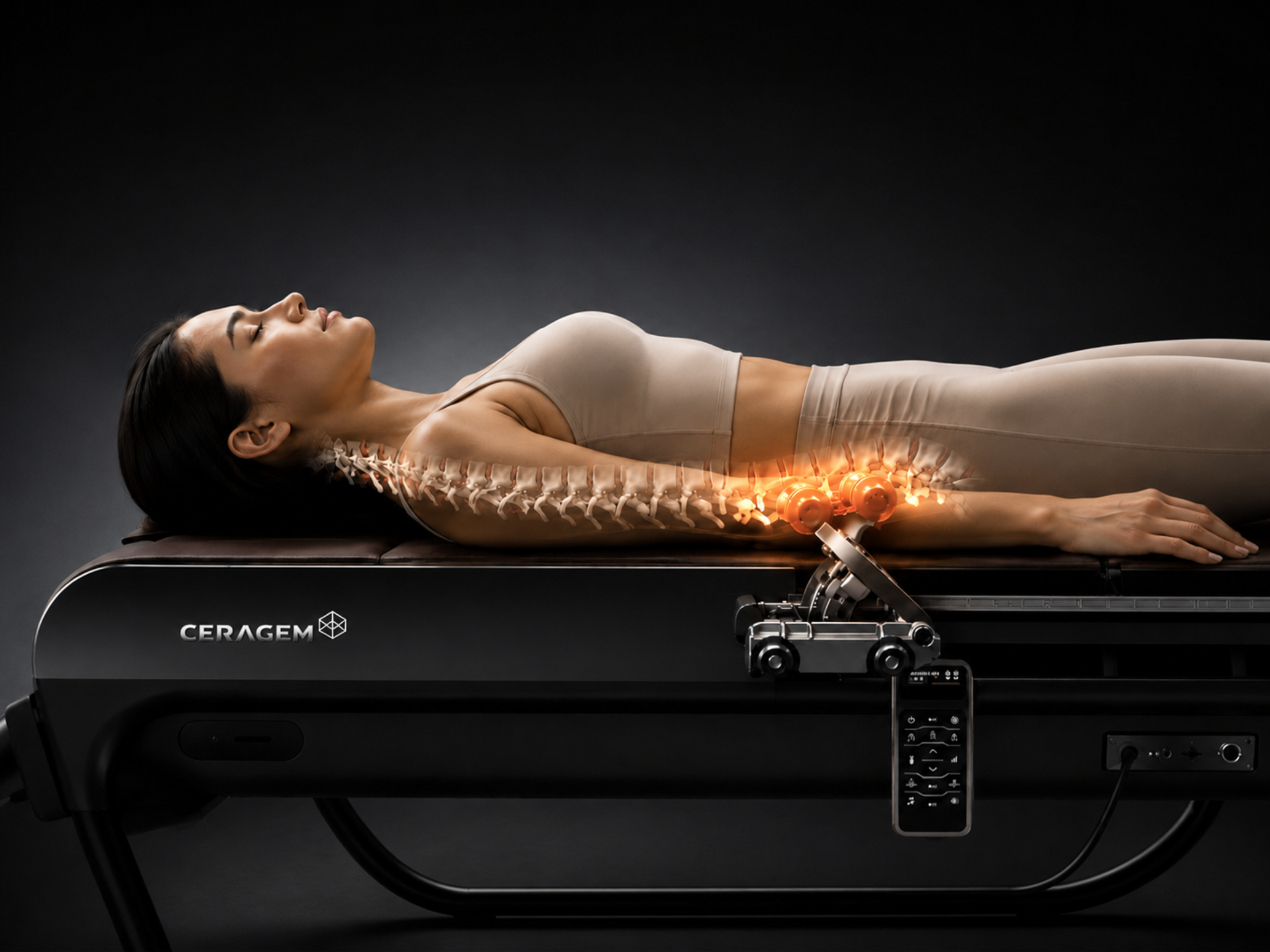
The Master V4 combines both principles in a single session. Thermal rollers warm the tissue along the spine first, and the automated stretching function then guides the body through a gentle, controlled lengthening — no effort, no bracing, no need to hold a position.
Because the movement follows the spine map created by the initial scan, the stretch respects your individual proportions rather than a generic template. For guests who find floor stretching uncomfortable or difficult to sustain, this assisted approach is often the first time stretching has felt genuinely relaxing.
Paired with a few minutes of daily movement at home, it is a practical way to keep everyday range of motion available.
Frequently Asked Questions
How long should I hold a stretch?
For everyday mobility, 20–30 seconds per position is sufficient, repeated once or twice. Frequency across the week matters more than duration in any one session.
Should stretching hurt?
No. You should feel a mild, tolerable tension. Sharp or pinching sensations mean you have gone too far or the position needs adjusting.
Is assisted stretching better than stretching on my own?
It is complementary. Assisted stretching helps you relax into positions that are hard to hold alone; your own daily practice keeps range available between sessions.
Can I improve flexibility at any age?
Yes. Range of motion responds to consistent practice throughout life. Progress may be more gradual with age, but the direction of change stays the same.
Mobility is a use-it-or-lose-it quality. Visit your full range a little every day, keep the tissue warm, and let assisted stretching handle the positions that are hard to reach alone — and comfortable movement stays available for the long term.
This article is educational and does not constitute medical advice. For persistent or severe symptoms, please consult a licensed healthcare professional.
The Next Step
Experience the CERAGEM Difference.
Reading about wellness is the first step. Experiencing it is something entirely different.
Visit the CERAGEM Shaw Wellness Lounge and discover how intelligent spine scanning, thermal massage, automated stretching, and personalized wellness technology come together in one relaxing 40-minute session.
Whether you're looking to improve your daily wellness routine, unwind after work, or simply invest in better self-care, our wellness specialists will guide you through the experience.
- First-time visitors welcome
- Personalized wellness consultation
- Premium private wellness lounge
- No pressure to purchase
Continue Your Wellness Journey
Back & Spine Care
How posture, sitting, and daily movement shape spinal comfort — and the simple habits that help your back feel supported from morning to night.
Read Article
Pain Relief & Recovery
Recovery isn't the absence of activity — it's an active process. A guide to helping your body reset after physical and mental demands.
Read Article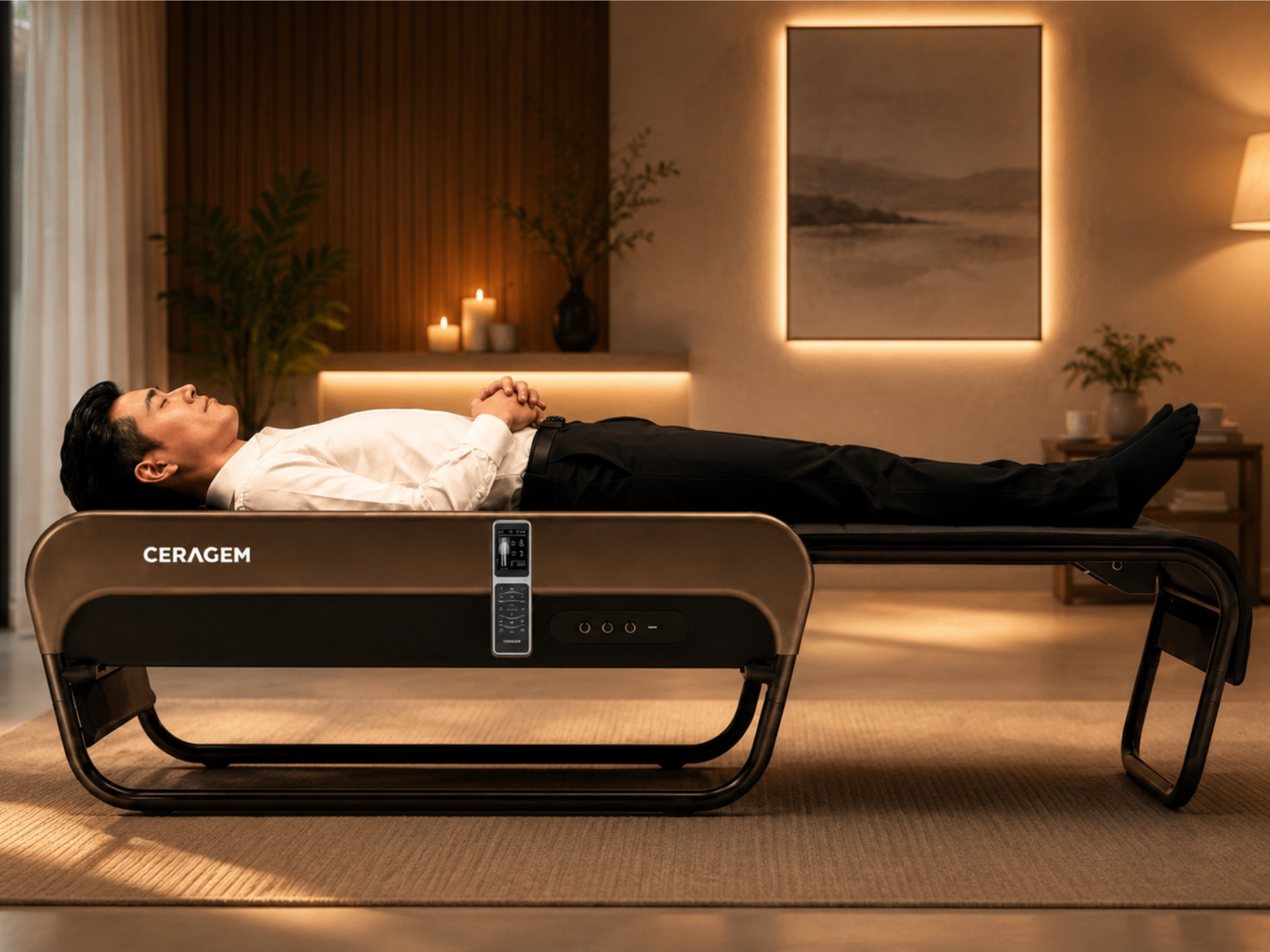
Relaxation & Stress Relief
Stress lives in the body as much as the mind. How warmth, breath and quiet help the nervous system return to a calmer baseline.
Read Article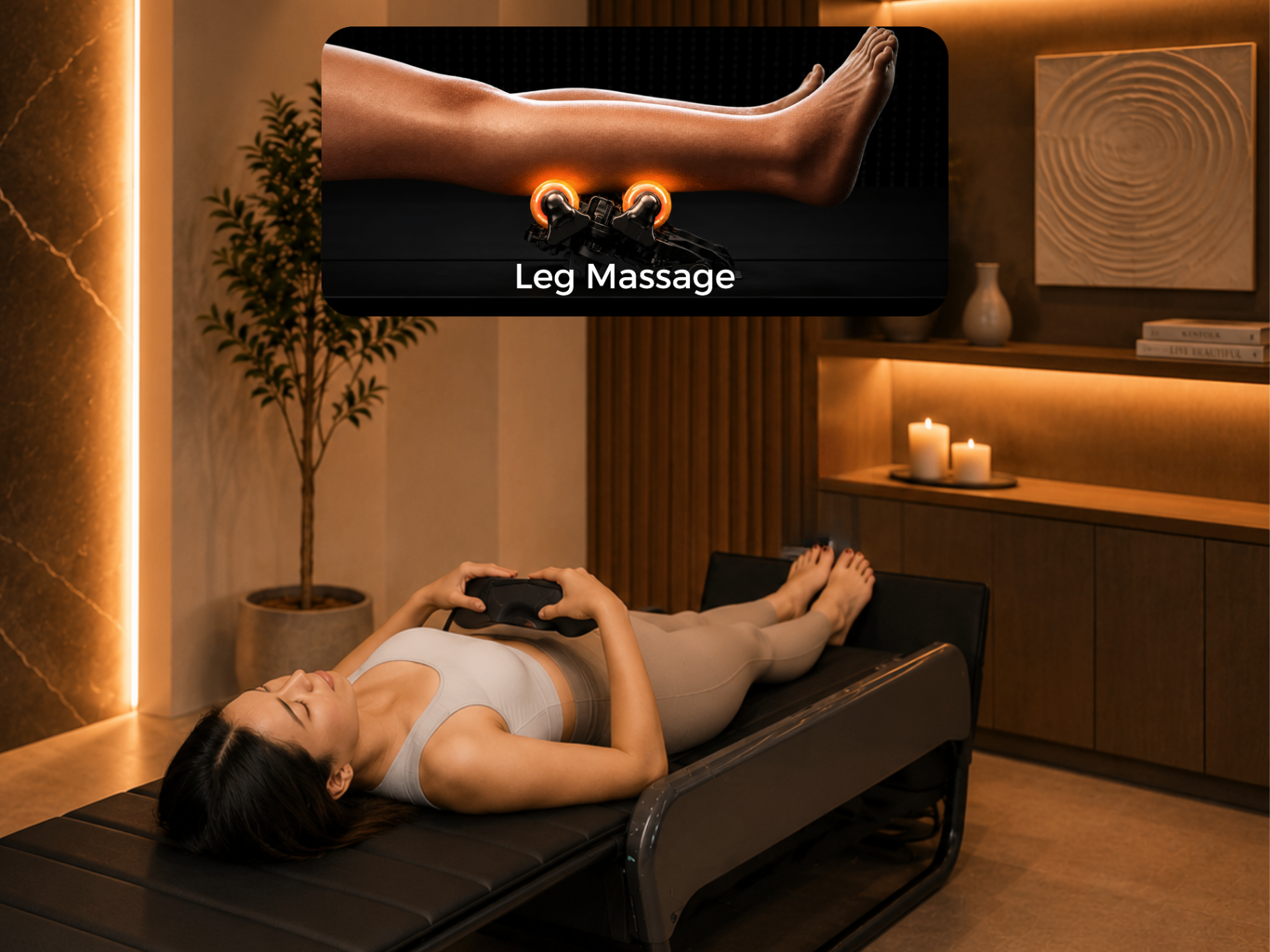
Circulation & Leg Care
Heavy legs at the end of the day are common — and largely addressable. A guide to circulation, lower-body comfort and everyday habits.
Read Article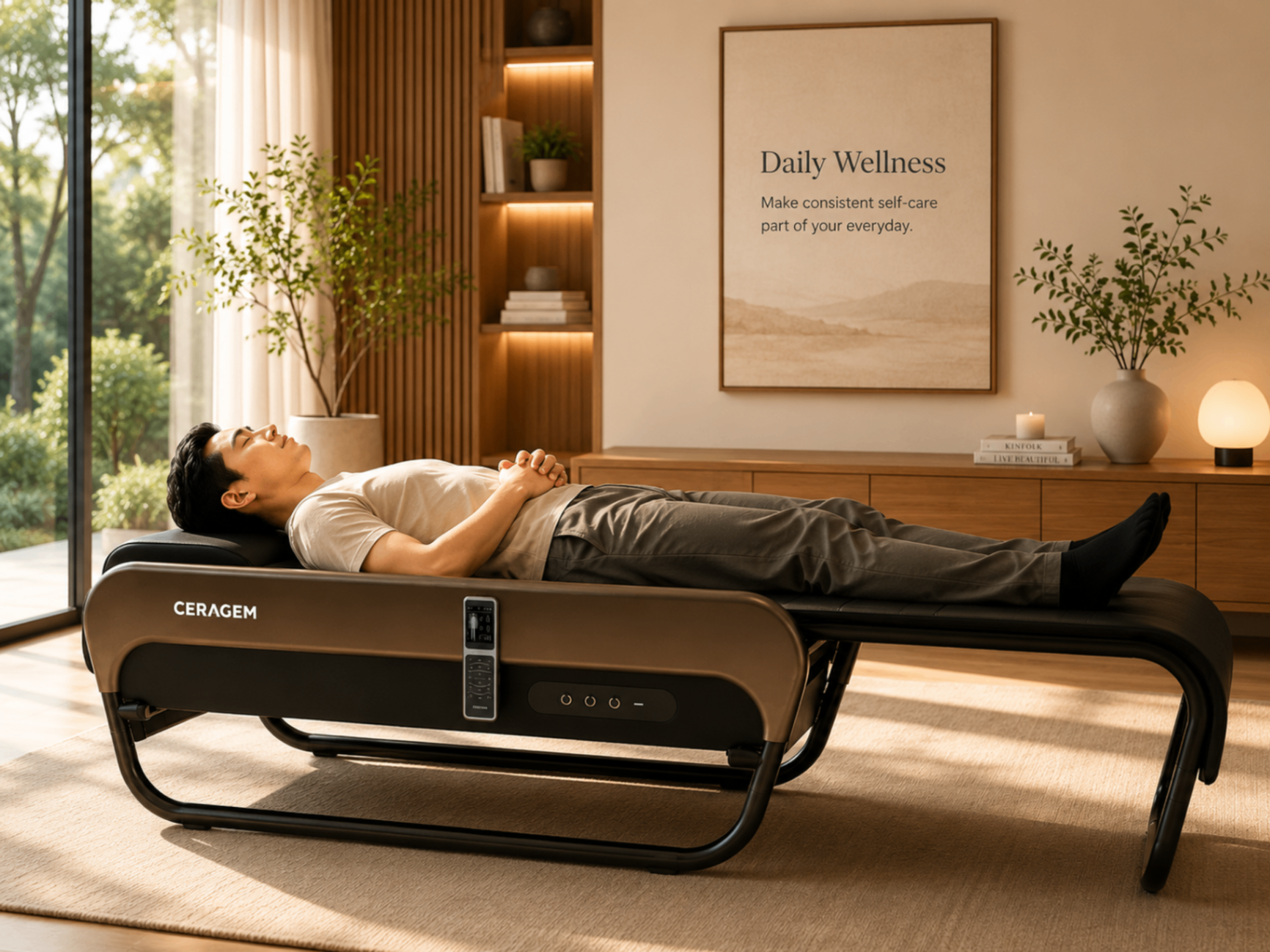
Daily Wellness
Wellness is what you repeat, not what you occasionally attempt. A practical framework for building a routine that survives a busy week.
Read Article