

Pain Relief & Recovery
Pain Relief & Recovery: Helping Your Body Reset After Everyday Demands
Most people treat recovery as whatever is left over after the day is finished. In practice, recovery is an active biological process — one that the body performs best when it is given warmth, circulation, and a genuine break from stimulation.
This guide looks at what recovery actually involves, why fatigue accumulates quietly, and how to build a routine that helps the body return to baseline rather than starting each day slightly behind.
Key Takeaways
- Recovery is a process the body performs, not simply time that passes.
- Fatigue accumulates when demand consistently outpaces recovery — often without obvious pain.
- Circulation, warmth and parasympathetic rest are the three levers you can influence most easily.
- Scheduled recovery is more reliable than recovery that only happens when you feel bad.
What Recovery Really Means

When muscles work, they create micro-level stress and metabolic by-products. The body clears those by-products, repairs tissue, and restores the nervous system to a calmer baseline. This is recovery, and it depends heavily on blood flow, hydration, sleep and time spent in a relaxed state.
It is why two people can do the same amount of work and feel completely different a day later. The difference is rarely the workload; it is what happened afterwards.
How Fatigue Accumulates Without You Noticing

Everyday demands are cumulative. A long commute, a full day standing, a few nights of shortened sleep and a stressful week each draw from the same reserve. Because none of them individually feels like a serious strain, the deficit builds quietly.
- Muscles that feel tight in the morning rather than after activity.
- Needing longer to warm up before exercise feels comfortable.
- Sleep that doesn't leave you feeling restored.
- Small aches that move around the body rather than staying in one place.
- A general sense of heaviness that isn't explained by the day's activity.
The Role of Circulation
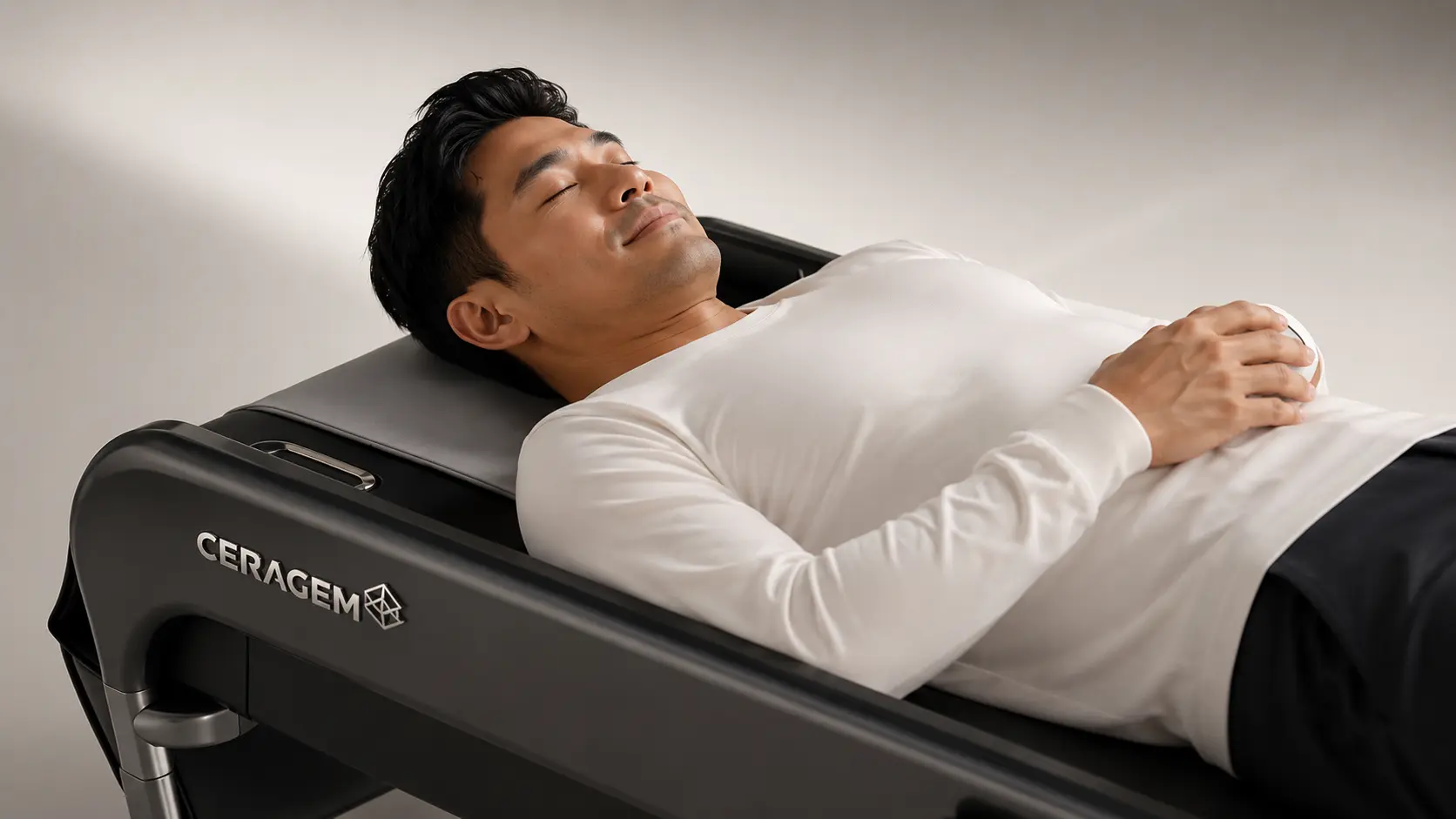
Blood delivers oxygen and nutrients to working tissue and carries away what the body no longer needs. Anything that supports healthy circulation therefore supports recovery: walking, gentle mobility work, hydration, and warmth.
Warmth is particularly practical because it requires no effort at a moment when effort is exactly what you don't have. Applied across the back and legs, it encourages vessels to dilate and helps tight tissue soften.
Calming the Nervous System
Physical recovery is difficult when the nervous system stays in a heightened state. Notifications, bright screens and constant mental load keep the body subtly alert, and an alert body does not prioritise repair.
A genuine recovery session — quiet, warm, uninterrupted and long enough for breathing to slow — allows the parasympathetic system to take over. That shift is often the difference between rest that helps and rest that simply passes time.
A Realistic Recovery Routine
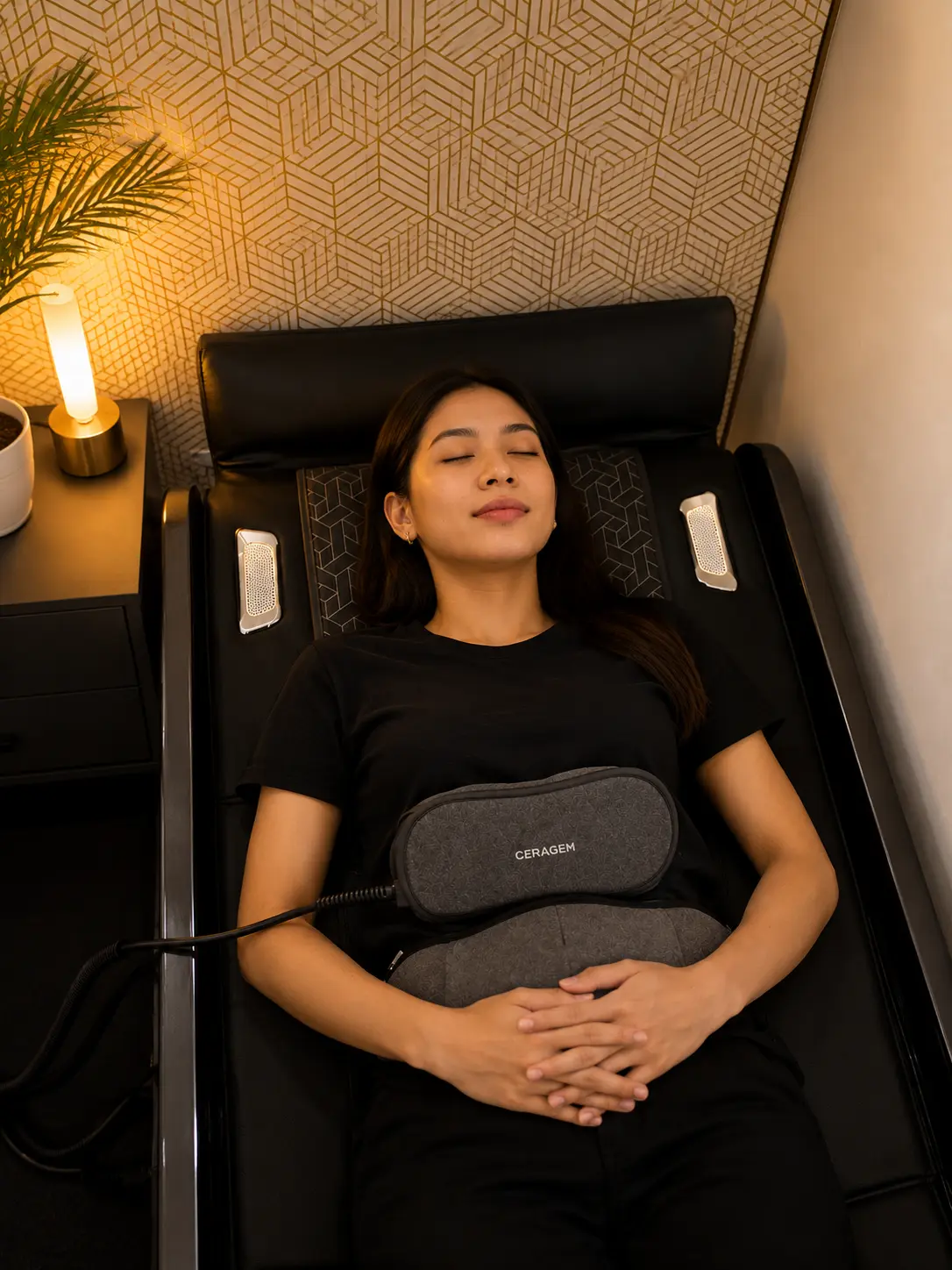
Recovery works best when it is scheduled rather than improvised.
- Hydrate consistently through the day rather than catching up at night.
- Take a five-minute walk after long seated periods to restore circulation.
- Protect a consistent sleep window — the body does most of its repair there.
- Apply warmth to the areas that carry your workload, especially the back and legs.
- Book one longer recovery session each week and treat it as non-negotiable.
How the CERAGEM Master V4 Supports Recovery
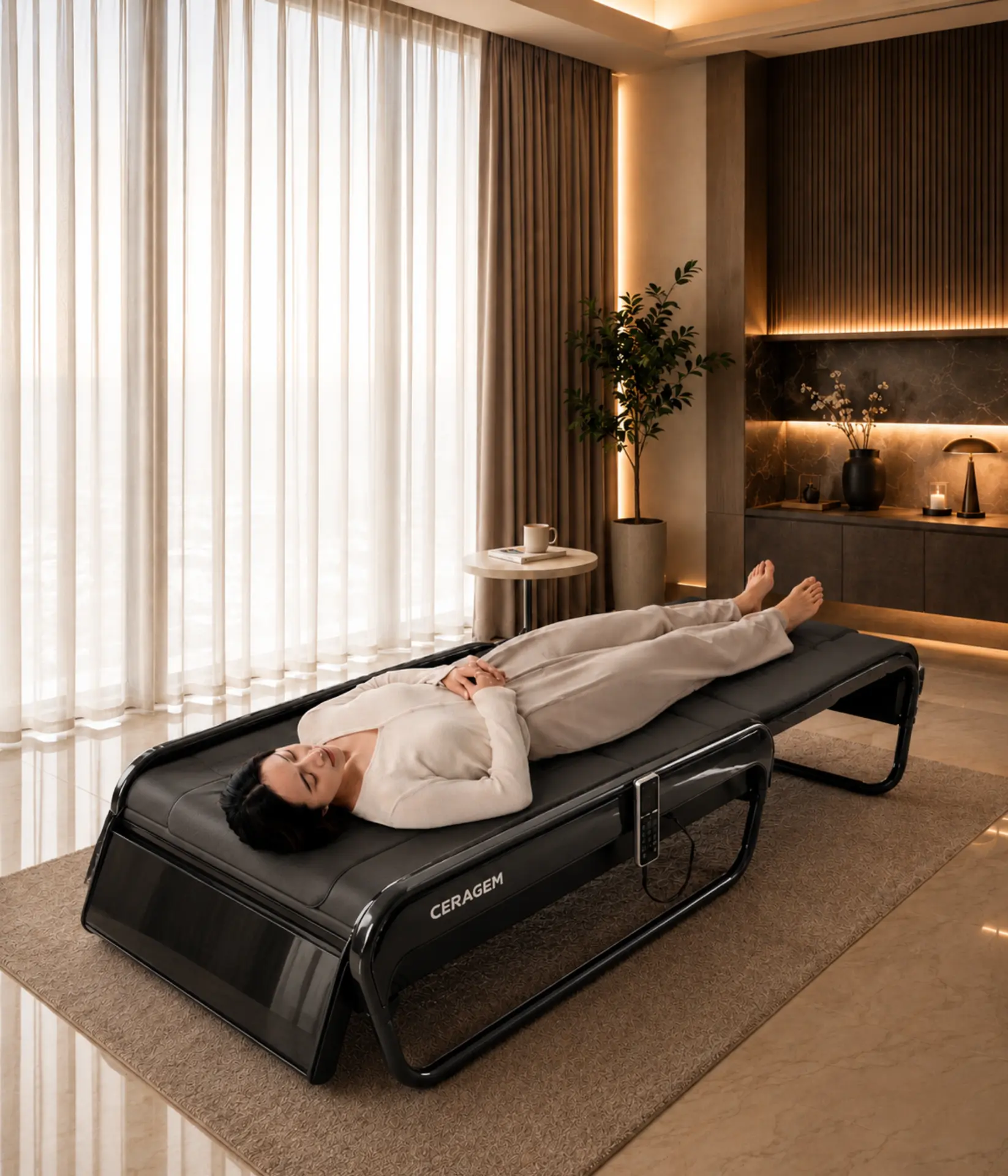
The Master V4 brings several recovery levers together in one 40-minute session. Thermal ceramic rollers apply sustained warmth along the spine, encouraging circulation in the areas most affected by sitting and standing. Automated stretching gently lengthens the body without any effort required from you.
Because the session is guided and the room is quiet and private, the nervous system has the conditions it needs to settle. Many guests describe the last ten minutes as the deepest rest they have had all week — which is precisely the state in which recovery happens.
Recovery is not a reward for being tired. It is maintenance, and it works best when it is planned.
Frequently Asked Questions
How long does recovery usually take?
It varies with workload, sleep, hydration and age. What is consistent is that supported recovery — warmth, movement, and quality sleep — is faster than passive waiting.
Should I rest completely when I feel sore?
Gentle movement is usually more helpful than complete stillness for everyday soreness, because it maintains circulation. Sharp, severe or persistent pain should be assessed by a healthcare professional.
Is a thermal massage session suitable after exercise?
Many guests use it on rest days or in the evening after training, when the goal is relaxation and circulation rather than performance.
Can recovery sessions help with stress as well?
Yes. Physical and mental recovery share the same nervous-system pathway, which is why a quiet, warm session often leaves people feeling mentally clearer as well as physically looser.
Your body is very good at recovering when you give it the right conditions. Warmth, circulation, quiet and consistency are the conditions. Build them into an ordinary week and the demands of that week stop accumulating.
This article is educational and does not constitute medical advice. For persistent or severe symptoms, please consult a licensed healthcare professional.
The Next Step
Experience the CERAGEM Difference.
Reading about wellness is the first step. Experiencing it is something entirely different.
Visit the CERAGEM Shaw Wellness Lounge and discover how intelligent spine scanning, thermal massage, automated stretching, and personalized wellness technology come together in one relaxing 40-minute session.
Whether you're looking to improve your daily wellness routine, unwind after work, or simply invest in better self-care, our wellness specialists will guide you through the experience.
- First-time visitors welcome
- Personalized wellness consultation
- Premium private wellness lounge
- No pressure to purchase
Continue Your Wellness Journey
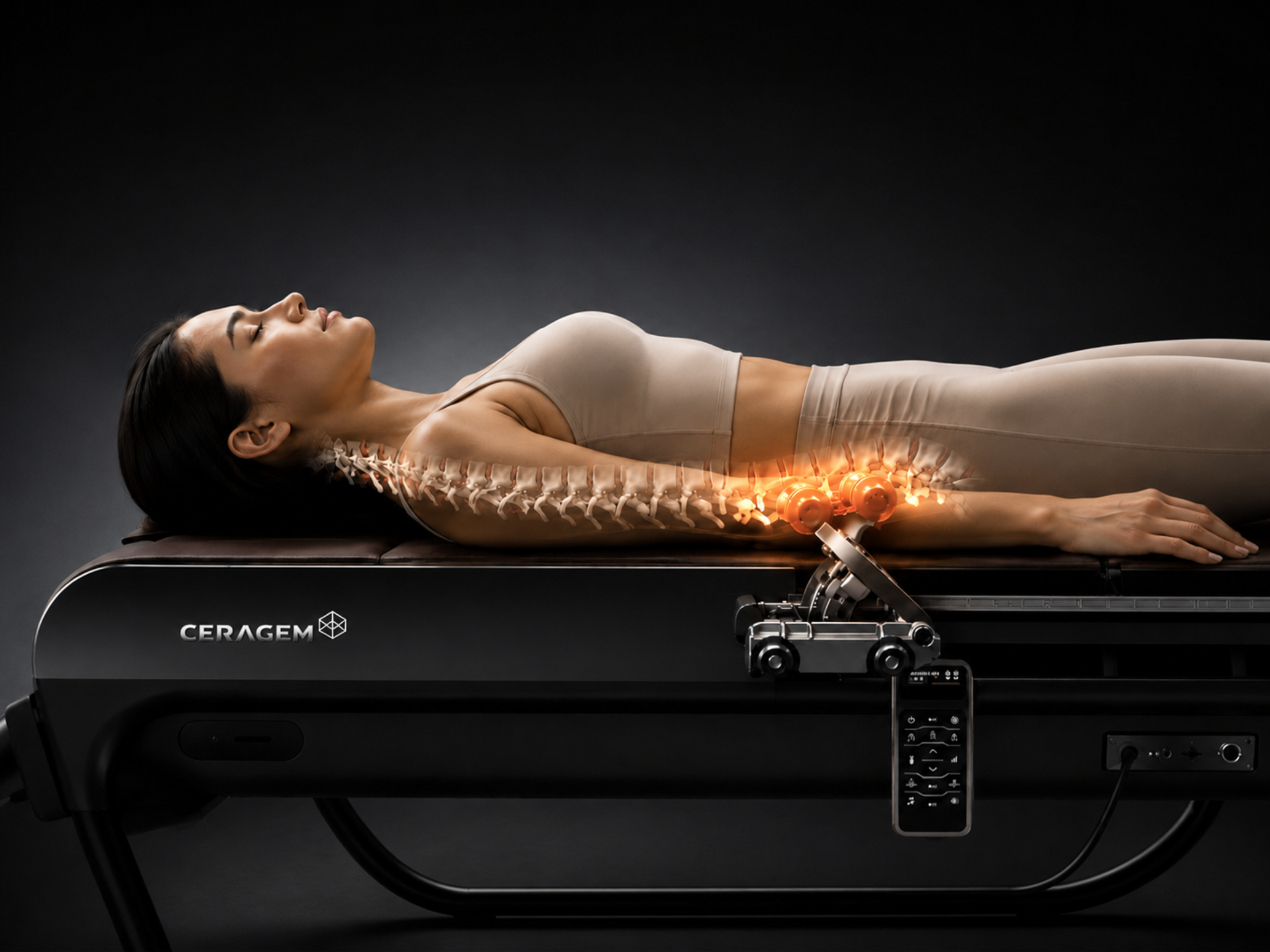
Back & Spine Care
How posture, sitting, and daily movement shape spinal comfort — and the simple habits that help your back feel supported from morning to night.
Read Article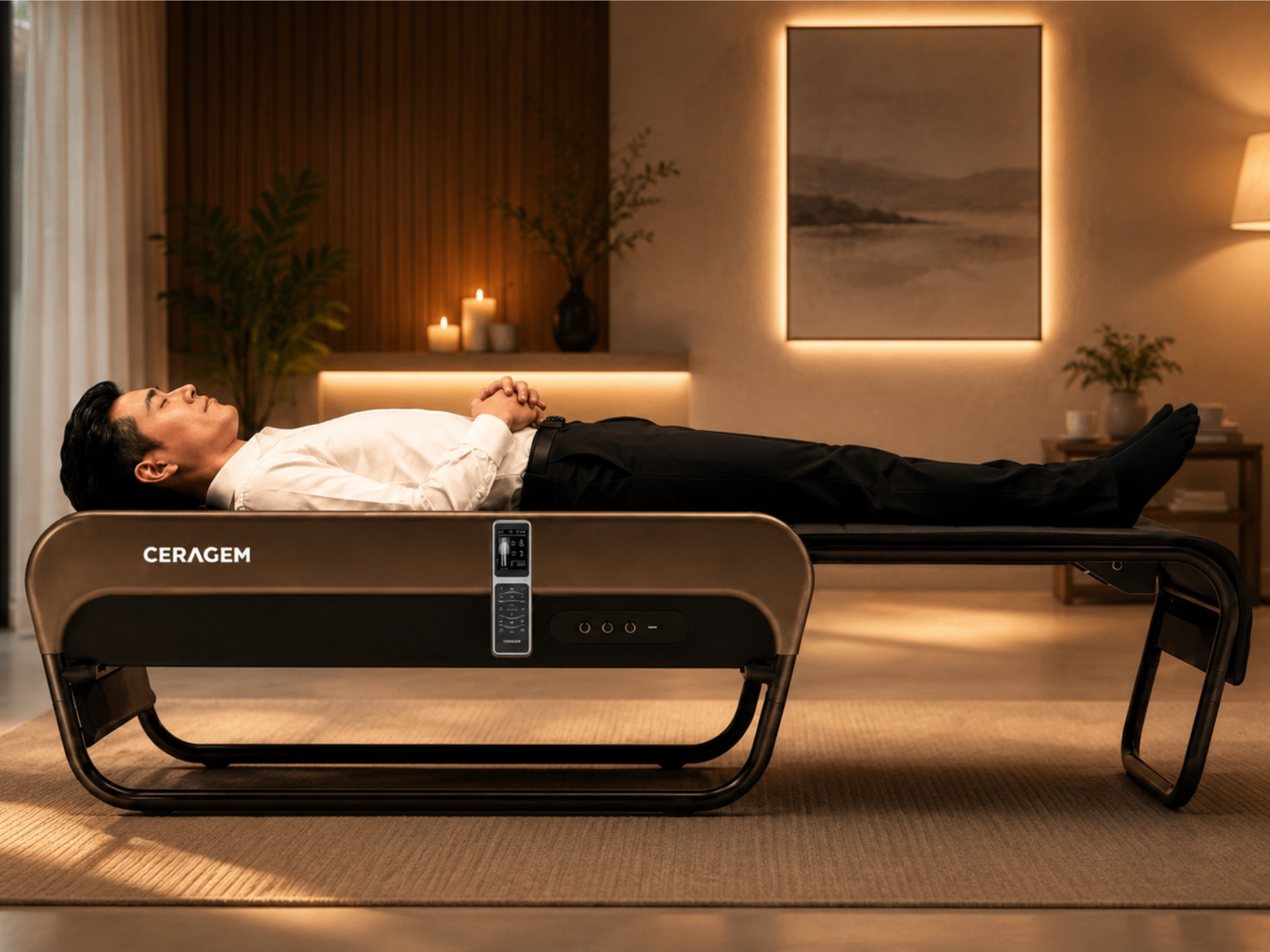
Relaxation & Stress Relief
Stress lives in the body as much as the mind. How warmth, breath and quiet help the nervous system return to a calmer baseline.
Read Article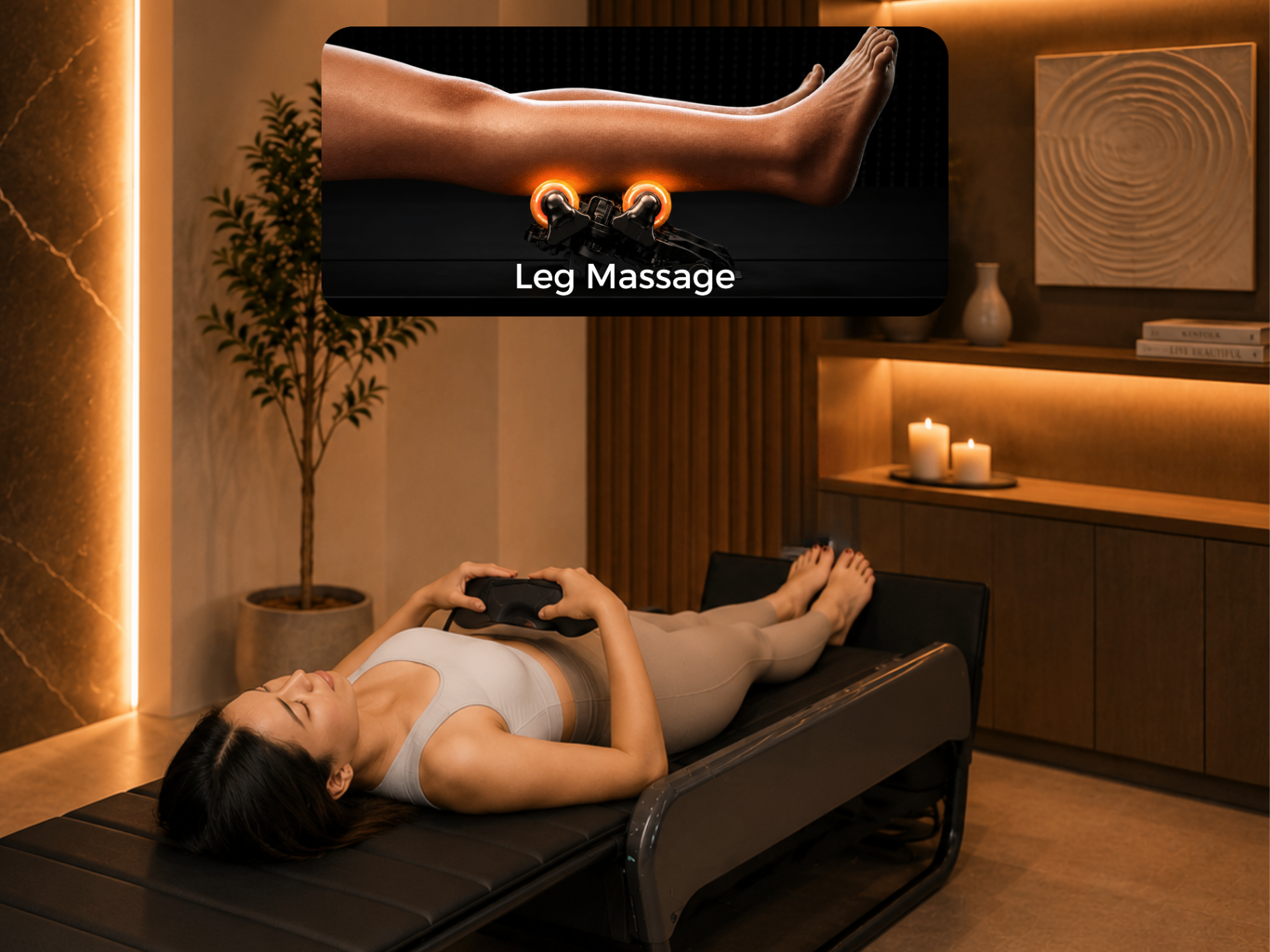
Circulation & Leg Care
Heavy legs at the end of the day are common — and largely addressable. A guide to circulation, lower-body comfort and everyday habits.
Read Article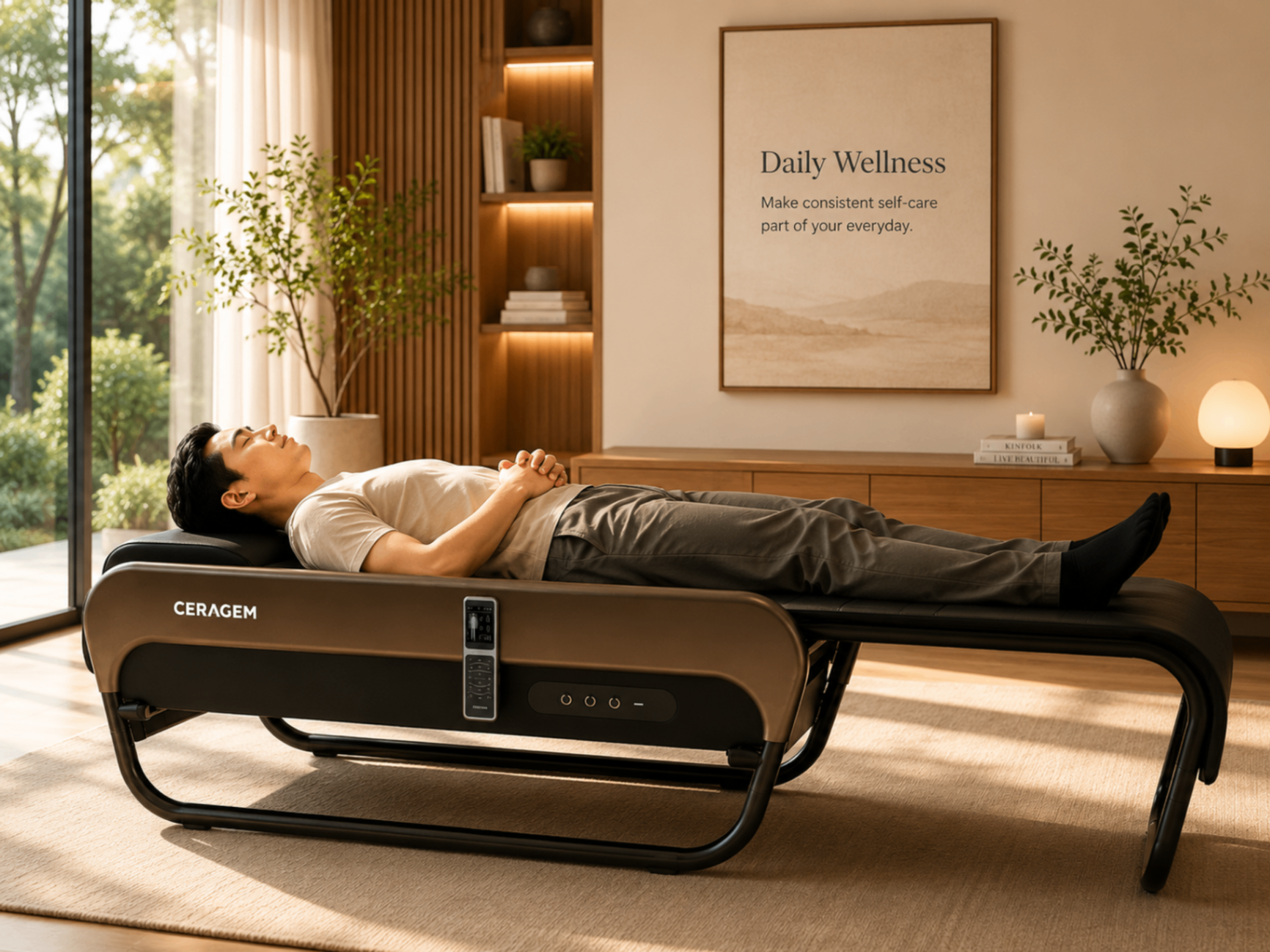
Daily Wellness
Wellness is what you repeat, not what you occasionally attempt. A practical framework for building a routine that survives a busy week.
Read Article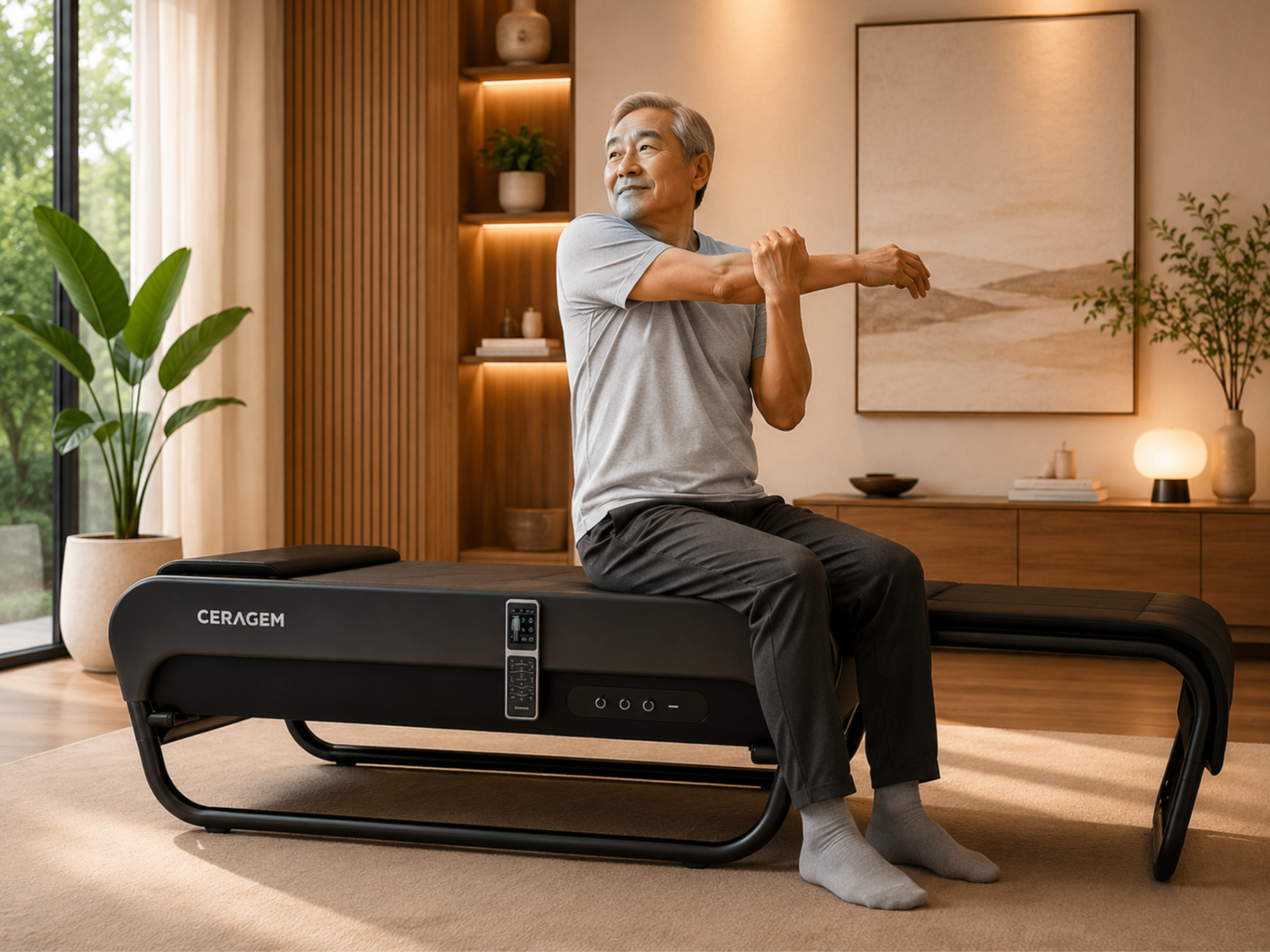
Flexibility & Mobility
Flexibility and mobility aren't the same thing — and knowing the difference changes how you train, stretch and recover.
Read Article